Understanding PPF Winter Road Salt Protection
As winter rolls in and road salt becomes prevalent, protecting your vehicle is more crucial than ever. One of the most effective methods for safeguarding your car against the damaging effects of winter road salt is through the application of paint protection film (PPF). This advanced coating not only enhances the aesthetic appeal of your vehicle but also acts as a formidable barrier against salt, dirt, and other corrosive elements. Understanding the role of PPF winter road salt protection can empower you to make informed decisions for your vehicle’s care.
What is PPF?
Paint Protection Film (PPF) is a high-performance thermoplastic urethane film applied to the exterior surfaces of vehicles. Developed initially for military applications, this film has become popular among car enthusiasts and everyday drivers alike. Its primary function is to protect the paint from scratches, chips, pollutants, and importantly, the corrosive nature of substances like road salt during winter months.
The Science Behind Winter Protection
PPF consists of multiple layers, typically ranging from 6 to 8 mils thick. The top layer possesses self-healing properties that allow minor scratches or swirl marks to disappear with heat. The middle layer is designed for protection from physical impacts while the adhesive layer ensures a strong bond with the car’s surface. Together, these properties make PPF an ideal solution against the splashes of road salt, which can cause rust and degradation over time.
Benefits of Using PPF During Winter
Utilizing PPF during the winter months provides several key advantages:
- Corrosion Resistance: PPF acts as a barrier against road salt, preventing it from contacting the paint surface and causing long-term damage.
- Enhanced Aesthetics: The film maintains the factory shine and color of your vehicle while masking small imperfections.
- Durability: A high-quality PPF can last several years, providing long-term protection during harsh winters.
- Easy Maintenance: PPF makes cleaning your vehicle easier, as dirt and grime do not adhere as strongly to the film.
Choosing the Right PPF for Winter
Types of PPF Coatings
There are various types of PPF available on the market, and selecting the right one for winter conditions is imperative. The most common types include:
- Self-Healing PPF: As previously mentioned, this type of film can heal minor scratches when exposed to heat.
- Matte Finish PPF: Ideal for those seeking a unique look while still benefiting from the protective qualities of the film.
- Standard Gloss PPF: This is the most popular choice for general aesthetic maintenance and protection.
Factors to Consider in Winter Conditions
When selecting PPF, consider the following factors related to winter driving:
- Thickness: Choose a thicker film for enhanced protection against impacts and salt damage.
- Durability: Opt for products with longer warranties, indicating manufacturer confidence in their durability.
- Clarity: Ensure that the film maintains high clarity to avoid diminishing the appearance of your vehicle.
Installation Process Overview
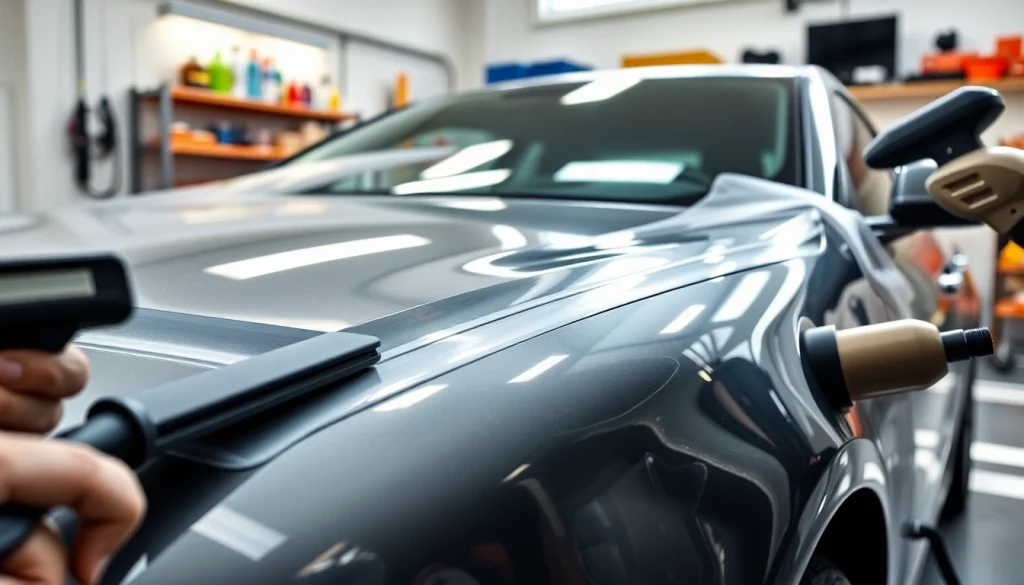
The installation of PPF is a critical step that affects its functionality and longevity. It typically involves the following stages:
- Surface Preparation: The vehicle’s surface must be thoroughly cleaned and any paint defects addressed.
- Alignment and Application: The PPF is carefully placed and aligned according to the vehicle’s contours.
- Trimming: Excess film is trimmed for a clean edge, ensuring a seamless appearance.
- Post-Installation Care: Proper post-installation care includes avoiding washing the vehicle for a certain time and keeping it free from extreme temperatures.
Maximizing the Longevity of PPF in Winter
Maintenance Tips for PPF
To ensure the longevity of your PPF during winter, regular maintenance is vital. Consider these tips:
- Wash your vehicle frequently to remove salt residue.
- Avoid automatic car washes that may scrape the film.
- Use pH-balanced soaps to prevent deterioration of the film.
Seasonal Care Practices
Adapting your vehicle care routine for the winter season can greatly benefit your PPF. Here are some strategies:
- Wax your PPF at least once a month for added protection.
- Inspect the film regularly for signs of wear or damage and address issues promptly.
- If you park outside, cover your vehicle to shield it from the elements when possible.
Signs of PPF Wear and Tear
Being able to identify damages or wear on your PPF is essential for maintaining its protective qualities. Look for:
- Bubbling or peeling edges.
- Discoloration or fading.
- Visible scratches or scuff marks that do not heal.
Real-world Applications of PPF
Case Studies: Successful PPF Use
Numerous customers have reported remarkable results after applying PPF. For instance, a user noted that their vehicle remained pristine despite enduring several harsh winters filled with road salt exposure. Thanks to PPF, not only did they avoid costly paint repairs, but the vehicle also retained its resale value better than others without PPF.
Testimonials from Vehicle Owners
Many vehicle owners express high satisfaction with PPF. One owner stated, “I was amazed at how well my car held up after the winter; no chips or salt damage, and it still looks new!” Such testimonials highlight the importance of PPF in winter protection.
Common Misconceptions about PPF
Despite its benefits, several misconceptions about PPF persist:
- PPF is only for luxury vehicles: In reality, vehicles of all types can benefit greatly from PPF.
- PPF is visible and unsightly: High-quality films are nearly invisible and enhance the vehicle’s appearance.
- PPF is too expensive: When factoring in potential repair costs, PPF is often a cost-effective solution for paint protection.
FAQs About PPF Winter Road Salt Protection
How long does PPF last?
High-quality PPF can last up to 7-10 years with proper care, depending on the product and conditions.
Can PPF be reapplied?
Yes, if the original application shows signs of failure or wear, you can remove and reapply PPF.
Does PPF protect against all road conditions?
While PPF significantly protects against scratches and salt, it may not guard against all types of severe impacts.
Is PPF removal difficult?
Professional removal is usually recommended, but skilled individuals can remove PPF without damaging the paint.
What is the cost of quality PPF installation?
The installation cost varies based on coverage, but expect to invest between $500 and $2000 for quality service.