
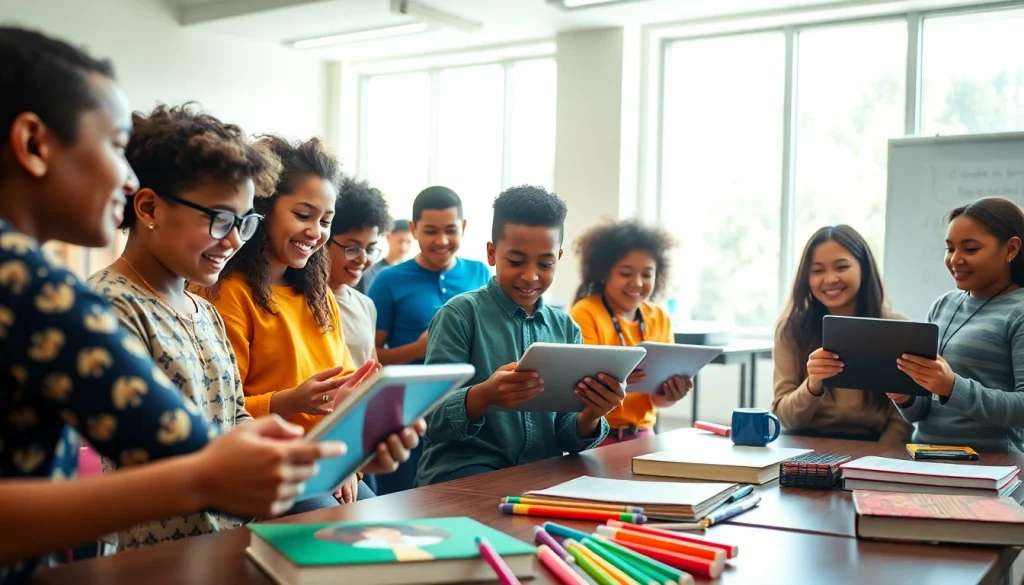
Understanding Education in the 21st Century
As we delve into the complexities of modern education, it becomes evident that the landscape has transformed dramatically, influenced by both societal shifts and technological advancements. Today, education is not merely about the transmission of knowledge; it is a multifaceted process that involves critical thinking, creativity, and collaboration. Understanding these changes is essential for educators, policymakers, and advocates like Dr. Matthew Lynch, who promotes innovative approaches to education reform.
The Evolution of Educational Methods
Educational methods have evolved from traditional rote learning, where memorization was key, to more dynamic and interactive forms of learning. The progressive education movement, which gained momentum in the late 19th and early 20th centuries, laid the groundwork for modern pedagogical theories. Today, educators are focusing on methods that encourage student engagement and active participation.
- Constructivism: This approach emphasizes that learners construct their own understanding and knowledge through experiences and reflecting on those experiences.
- Experiential Learning: Introduced by theorists like David Kolb, this method advocates for learning through action, experience, and reflection.
- Flipped Classrooms: In this model, traditional learning structures are inverted; students learn new content at home and apply that knowledge in class, fostering deeper understanding.
Impact of Technology on Learning
The integration of technology into education has revolutionized how students learn and interact with information. With tools like virtual classrooms, online resources, and educational apps, technology has made learning more accessible and customizable. However, it also presents challenges such as ensuring equitable access to technological resources and combating distractions associated with digital devices.
Importance of Equity in Education
Education equity remains a pressing issue, as disparities in access and quality of education continue to exist across various demographics. An equitable education system aims to provide all students, regardless of their background, with the resources and opportunities they need to succeed. Key strategies to promote equity include:
- Tailored Programs: Programs designed to address the unique needs of diverse student populations can help bridge gaps in educational access.
- Policy Reform: Advocating for policies that support underfunded schools and marginalized communities is crucial.
- Community Engagement: Involving families and communities in the education process can foster a support network that enhances student success.
Innovative Strategies for Education Reform
In order to tackle the challenges faced in modern education, innovative strategies must be explored and implemented. Dr. Lynch highlights several approaches that can drive meaningful reform in education.
Project-Based Learning and Its Benefits
Project-based learning (PBL) empowers students to engage in complex, real-world projects that require critical thinking and problem-solving. This method not only enhances student motivation but also allows for the application of knowledge in practical scenarios. Benefits of PBL include:
- Enhanced Engagement: Students are more motivated when they see the relevance of their work.
- Development of Critical Skills: PBL fosters skills necessary for the 21st century, including collaboration, communication, and creativity.
- Integration of Curriculum: PBL allows for interdisciplinary learning, encouraging students to make connections across different subject areas.
Integrating Social Justice into Curriculum
Embedding social justice themes into the curriculum is essential for preparing students to be informed and engaged citizens. This involves teaching students about issues related to inequality, diversity, and justice, helping them understand their role in advocating for change. Strategies for integration include:
- Inclusive Literature: Incorporating diverse authors and perspectives into reading lists fosters a greater understanding of different cultures and experiences.
- Community Projects: Students can engage in projects that address local social issues, fostering a sense of responsibility and empowerment.
- Dialogue and Debate: Creating spaces for discussion around challenging topics encourages critical thinking and respectful discourse.
Community Involvement in Education Reform
Community involvement is vital to the success of educational reform efforts. Schools that actively engage with their communities can better address the needs of their students. Effective strategies include:
- Partnerships with Local Organizations: Collaborating with nonprofits and local businesses can provide additional resources and support for schools.
- Parental Engagement: Creating opportunities for parents to participate in decision-making strengthens the partnership between home and school.
- Community Forums: Hosting discussions that invite community feedback on educational policies and practices helps ensure that reforms align with local needs.
Addressing Common Challenges in Education
As education continues to evolve, various challenges must be addressed to ensure success for all learners. Recognizing and overcoming these barriers is essential for educational leaders and advocates.
Overcoming Barriers to Access
Access to quality education remains a significant challenge, particularly for underserved populations. Strategies to overcome these barriers include:
- Increasing Funding: Advocating for equitable funding across districts can help ensure that all students have access to quality resources.
- Online Learning Options: Expanding online and hybrid learning opportunities can provide flexibility for students facing logistical challenges.
- Transportation Solutions: Implementing transportation services can help students reach schools that offer better educational opportunities.
Combating Misinformation in Education
The rise of misinformation poses a unique challenge in education. Combatting this requires educators to equip students with critical media literacy skills. Strategies include:
- Teaching Verification Skills: Educating students on how to assess the credibility of sources is vital in a digital world.
- Encouraging Critical Thinking: Creating a curriculum that promotes questioning and analysis of information helps students develop discerning viewpoints.
- Using Real-World Examples: Discussing current events and their impacts teaches students to navigate complex information landscapes.
Strategies for Educators to Facilitate Change
Educators play a crucial role in facilitating change within the education system. Key strategies for effective advocacy include:
- Professional Development: Continuous learning and training help educators stay informed on best practices and innovative teaching methods.
- Networking and Collaboration: Connecting with other educators can provide support and share resources for implementing change.
- Advocacy Skills: Educators must develop skills to advocate for their students, schools, and communities effectively.
Measuring Success in Educational Initiatives
To assess the effectiveness of educational reforms, it’s essential to establish clear metrics for success. Different methodologies can provide insight into what works and what needs adjustment.
Key Performance Indicators for Educational Programs
Key performance indicators (KPIs) are crucial in evaluating educational initiatives. Commonly used KPIs include:
- Student Achievement: Metrics such as test scores and graduation rates provide a quantitative measure of academic success.
- Graduation and Dropout Rates: Tracking these rates can highlight issues within specific programs or institutions.
- Student and Teacher Satisfaction: Surveys can provide qualitative data on how stakeholders perceive the education system.
Case Studies of Successful Education Reforms
Examining successful case studies can provide valuable insights into effective reforms. For example:
- Montessori Schools: Utilizing child-led learning has shown to foster independence and creative thinking.
- Success Academy: This network of charter schools in New York City focuses on high academic standards and results in improved student performance.
- Finland’s Education System: Known for its innovative and equitable approach, Finland emphasizes teacher autonomy and well-being.
Future Trends in Educational Evaluation
As educational practices evolve, so too must our methods of evaluation. Future trends might include:
- Real-Time Analytics: Leveraging data analytics tools to assess and adapt teaching methods in real time.
- Holistic Assessments: Moving beyond standardized tests to evaluate student success through a broader lens, including social-emotional learning.
- Personalized Learning Metrics: Developing tailored assessments that reflect individual student progress and growth.
The Future of Education Beyond 2026
The future of education is poised for continued transformation, influenced by societal changes, technological advancements, and evolving pedagogical theories. Preparing for these changes will require foresight and adaptability from educators and policymakers.
Innovative Learning Environments and Their Importance
As we move forward, innovative learning environments will become increasingly important. This includes:
- Flexible Classroom Designs: Spaces that can be easily reconfigured to support various teaching and learning styles.
- Access to Resources: Providing students with access to varied learning materials and technologies will be essential for fostering creativity.
- Collaboration Spaces: Areas designed for group work will enhance interaction among students and promote teamwork.
Predictions for Global Education Policies
Looking ahead, global education policies are likely to focus on:
- Inclusivity: Ensuring all students, including those with disabilities, have access to quality education.
- Environmental Education: Integrating sustainability into curricula to prepare students for global challenges.
- International Collaboration: Increased collaboration between countries to share best practices and resources.
Preparing Students for a Changing Workforce
The workforce is evolving, and education must adapt to prepare students for future careers. This means emphasizing skills such as:
- Critical Thinking: Teaching students how to analyze information and make informed decisions.
- Technological Proficiency: Ensuring students are equipped to navigate and leverage technology in their careers.
- Soft Skills: Fostering interpersonal skills that are essential for collaboration and communication in the workplace.