
Top Smart Home Devices That Transform Your Everyday Living
In today’s world, the concept of a Smart Home has evolved from being a futuristic luxury into an accessible, practical lifestyle choice. With rapid advancements in artificial intelligence, voice recognition, and IoT (Internet of Things) technologies, homeowners can now automate nearly every aspect of their lives—from lighting and climate control to security and entertainment. The modern Smart Home is all about comfort, convenience, and efficiency. This article dives deep into the best Smart Home devices that can truly transform your everyday living experience, helping you make informed choices for a connected future.
Understanding the Concept of a Smart Home
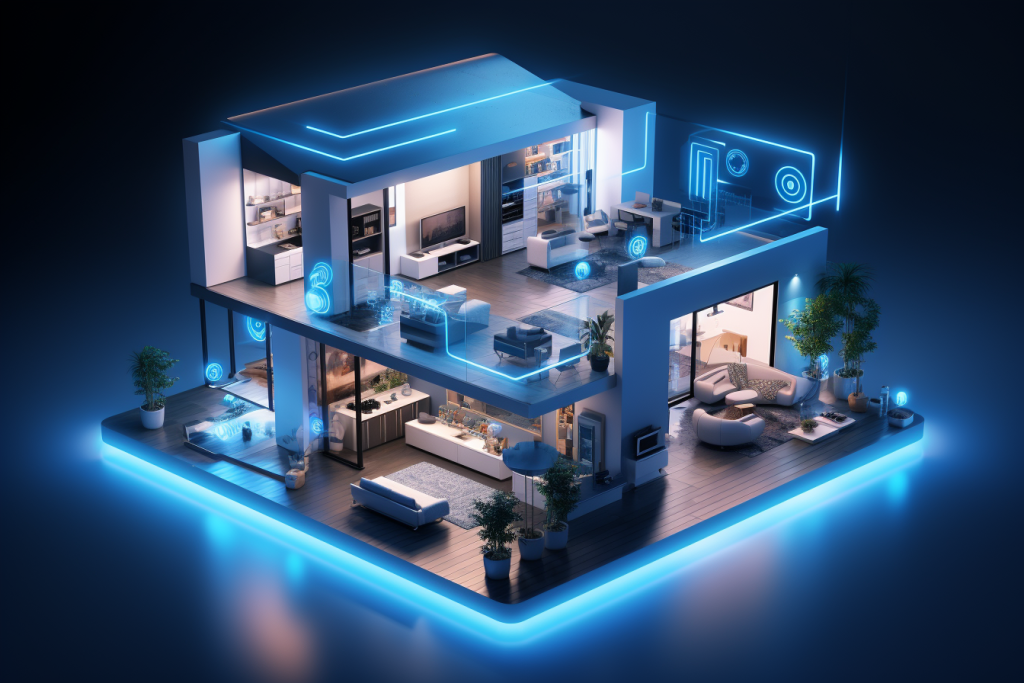
A Smart Home refers to a residence equipped with devices that can be controlled remotely via a smartphone, tablet, or computer. These devices communicate through Wi-Fi, Bluetooth, or Zigbee networks, allowing you to monitor and control home functions in real time. Whether it’s adjusting your thermostat before you get home, checking who’s at your door, or brewing coffee automatically in the morning, a Smart Home simplifies daily routines while enhancing security and energy efficiency.
Benefits of a Smart Home
Convenience and Automation
One of the greatest advantages of a Smart Home is automation. By integrating smart devices, you can create custom routines like turning off all lights when you leave or setting the thermostat to your preferred temperature as you wake up. These automated processes save time and energy, creating a seamless living environment.
Energy Efficiency
Smart Home technologies enable efficient energy consumption. Devices such as smart thermostats and lighting systems adjust automatically based on occupancy and usage patterns. This not only reduces your energy bills but also supports environmental sustainability.
Enhanced Security
Modern Smart Home security systems, including cameras, smart locks, and motion sensors, offer real-time monitoring and instant alerts. You can check live feeds, control access, and receive notifications if suspicious activity is detected—all from your smartphone.
Improved Comfort and Personalization
A Smart Home learns from your habits. For instance, smart thermostats adjust room temperatures according to your comfort preferences, while smart lighting systems set the perfect ambiance based on your activities. The ability to personalize your environment makes daily life more enjoyable and efficient.
Top Smart Home Devices That Are Changing Modern Living
1. Smart Speakers and Voice Assistants
Smart speakers like Amazon Echo, Google Nest Audio, and Apple HomePod are central to any Smart Home ecosystem. They serve as voice-controlled hubs that allow you to manage multiple devices effortlessly. You can play music, control lights, check weather forecasts, or even make shopping lists—all using simple voice commands. These assistants continue to improve with AI integration, becoming more intuitive over time.
2. Smart Lighting Systems
Lighting plays a crucial role in any home, and smart lighting systems revolutionize the way we interact with it. Brands like Philips Hue, LIFX, and Nanoleaf offer smart bulbs that can change colors, dim automatically, and sync with your routines. With a Smart Home setup, you can control lighting remotely, set timers, and even integrate lights with motion sensors for enhanced security and energy savings.
3. Smart Thermostats
A smart thermostat is a must-have device for energy-conscious homeowners. Products like the Nest Learning Thermostat or Ecobee SmartThermostat learn your schedule and adjust the temperature automatically. These devices can help reduce energy consumption by optimizing heating and cooling. In a Smart Home, this means comfort and savings go hand in hand.
4. Smart Security Cameras
Security is one of the most crucial aspects of a Smart Home. Smart cameras like Arlo, Ring, and Google Nest Cam provide HD video streaming, motion alerts, and night vision capabilities. Many also feature AI-driven facial recognition and two-way audio. With remote access, you can monitor your property anytime, ensuring peace of mind.
5. Smart Locks and Doorbells
Gone are the days of fumbling for keys. Smart locks from brands like August and Schlage offer keyless entry using smartphones or voice commands. Pair them with a smart doorbell like Ring or Eufy, and you can see, talk to, and grant access to visitors remotely. This integration boosts both security and convenience in a Smart Home environment.
6. Smart Plugs and Outlets
Smart plugs are one of the most affordable ways to start building your Smart Home. These small yet powerful devices turn regular appliances into smart ones. Plug in a coffee maker or fan, and control it via your smartphone or voice assistant. With scheduling options, you can automate devices to turn on or off at specific times, saving energy.
7. Smart Home Hubs
A Smart Home hub acts as the central brain of your connected ecosystem. Devices like Samsung SmartThings and Hubitat Elevation allow all your smart devices to work together seamlessly. Whether you use Zigbee, Z-Wave, or Wi-Fi, a hub ensures that every device communicates effectively, giving you complete control from one interface.
8. Smart Appliances
The modern Smart Home kitchen and laundry areas are filled with connected appliances. Smart refrigerators, ovens, washing machines, and dishwashers from brands like LG, Samsung, and Whirlpool can be managed via mobile apps. These appliances notify you about maintenance needs, optimize settings, and can even reorder supplies when running low.
9. Smart Home Entertainment Systems
For entertainment enthusiasts, a Smart Home can transform the way you experience movies, music, and gaming. Smart TVs, streaming devices, and connected soundbars create a personalized entertainment environment. Voice commands let you browse content, adjust volume, or switch inputs without lifting a finger.
10. Smart Home Sensors
Smart sensors detect motion, temperature, humidity, and even water leaks. These devices are essential for maintaining the health and safety of your Smart Home. For example, leak sensors prevent water damage by alerting you instantly, while motion sensors enhance security and automate lighting systems.
How to Build a Smart Home System
Start with a Hub
When building a Smart Home, start with a central hub or voice assistant. Choose a system like Google Assistant, Amazon Alexa, or Apple HomeKit based on your existing devices and preferences.
Choose Compatible Devices
Ensure that your chosen smart devices are compatible with your ecosystem. Mixing incompatible brands can cause communication issues, reducing efficiency.
Prioritize Security
Since a Smart Home relies heavily on Wi-Fi connections, securing your network is essential. Use strong passwords, enable two-factor authentication, and keep your devices updated to prevent breaches.
Set Routines and Automations
The magic of a Smart Home lies in automation. Create routines such as turning off all lights when leaving home or activating a “Good Morning” scene that opens blinds and starts coffee brewing automatically.
Expand Gradually
You don’t have to transform your entire house overnight. Start small—perhaps with a smart speaker and lighting system—then gradually expand your setup as you learn more about your needs and preferences.
The Future of Smart Homes
The future of Smart Home technology looks incredibly promising. AI-driven predictive analytics, machine learning, and sustainability-focused designs are taking automation to new levels. Smart ecosystems will soon integrate even more deeply into daily life—anticipating needs, reducing energy consumption, and improving home safety.
Moreover, Smart Home devices are becoming more affordable and user-friendly, allowing even non-tech-savvy individuals to enjoy their benefits. The coming years will likely see a surge in devices that use biometric authentication, advanced sensors, and AI-powered decision-making, turning homes into truly intelligent living spaces.
Why You Should Invest in a Smart Home
Investing in a Smart Home is more than just a tech trend—it’s a long-term lifestyle improvement. From reducing energy bills to enhancing security and convenience, smart technologies make life easier and more efficient. As homes become increasingly interconnected, the Smart Home revolution continues to redefine modern living.
Conclusion
The era of the Smart Home has arrived, transforming how we live, work, and interact with our surroundings. These intelligent systems are designed not only for comfort and convenience but also for efficiency, safety, and sustainability. Whether you’re just starting your Smart Home journey or upgrading your existing setup, investing in smart devices will undoubtedly enhance your quality of life. At Deep Dive Picks, we explore the best technologies and trends to keep you informed, empowered, and ahead in the world of connected living. Find everything you need to know on our main site.
Frequently Asked Questions
1. What is a Smart Home and how does it work?
A Smart Home is a residence equipped with interconnected devices that can be controlled remotely through a smartphone or voice assistant. These devices communicate via Wi-Fi or Bluetooth to automate tasks and enhance convenience.
2. Are Smart Home devices difficult to install?
Most Smart Home devices are designed for easy installation. Many are plug-and-play, and some can be set up through simple mobile apps without professional assistance.
3. Can Smart Home systems save energy?
Yes, a Smart Home helps reduce energy consumption by automating lights, thermostats, and appliances to operate only when needed, optimizing efficiency.
4. Are Smart Homes secure?
A Smart Home can be highly secure if users implement strong passwords, update firmware regularly, and use encrypted networks to prevent unauthorized access.
5. What’s the best way to start building a Smart Home?
Begin by choosing a central voice assistant like Alexa or Google Assistant and start integrating basic devices such as smart lights or plugs. Gradually expand your system based on your needs and preferences.