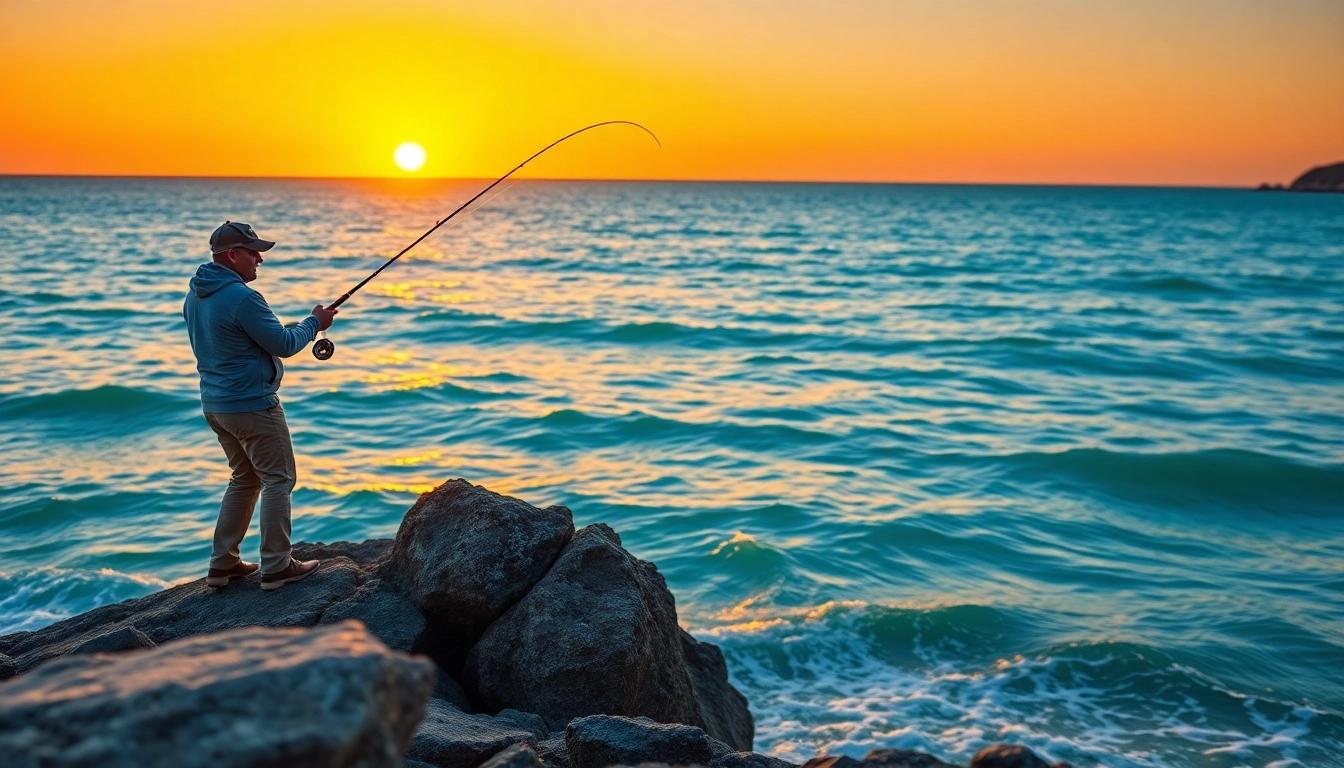
Introduction to Saltwater Fly Fishing
Saltwater fly fishing combines the excitement of fishing with the art of casting artificial flies to entice fish in ocean environments. This rewarding sport attracts passionate anglers eager to challenge themselves and connect with nature. Whether you're a beginner or an experienced angler, Saltwater fly fishing offers a unique opportunity to explore diverse marine ecosystems and engage with a wide range of fish species.
What is Saltwater Fly Fishing?
Saltwater fly fishing is a specialized branch of fly fishing that involves using a lightweight rod, reel, and specifically designed flies to catch fish inhabiting saltwater environments. The technique is defined by using floating or submerged lines to cast flies to fish such as tarpon, bonefish, snook, marlin, and many others. Unlike traditional bait fishing, fly fishing requires skillful casting and a deep understanding of fish behavior, making it both a technical and rewarding endeavor.
Essential Gear for Saltwater Fly Fishing
To successfully engage in saltwater fly fishing, understanding the essential gear is crucial. The right equipment not only enhances your fishing experience but also increases your chances of success.
- Fly Rod: Saltwater fly rods typically range from 9 to 12 feet and are designed to handle heavier lines. Look for rods made from durable materials that can withstand harsh saltwater conditions.
- Fly Reel: A robust reel is essential for managing the line. Saltwater reels come with sealed drag systems to prevent corrosion and ensure smooth operation under pressure.
- Fly Line: Select a weight-forward line that floats or sinks according to your fishing technique. Floating lines are ideal for targeting species near the surface, while sinking lines are used for deeper waters.
- Leaders and Tippets: Use fluorocarbon leaders for better abrasion resistance against sharp teeth and rugged structures.
- Flies: Flies come in various styles, mimicking local baitfish, crustaceans, and other prey. Choosing the right fly can depend heavily on the species and conditions.
- Accessories: Don't forget to include polarized sunglasses for glare reduction, a stripping basket for managing loose line, and necessary tools such as forceps and snips.
Understanding Different Saltwater Species
Saltwater environments host a diverse array of fish species, each exhibiting unique behaviors and habitat preferences. Understanding these species is vital for successful fishing.
- Bonefish: Known for their speed and elusiveness, bonefish are often found in shallow flats. They are highly sought after because of their challenging nature.
- Tarpon: These large fish can grow up to 200 pounds, providing an exhilarating fight. Tarpon tend to inhabit deeper waters and move towards shallows during feeding times.
- Snook: Snook thrive around mangroves and inshore areas. They are opportunistic feeders and can be caught throughout the year.
- Permit: Highly regarded in the fly fishing community, permit are known for their wariness and require stealthy approaches.
Techniques for Successful Saltwater Fly Fishing
To excel in saltwater fly fishing, various techniques play a crucial role. Mastering these will greatly enhance your effectiveness on the water.
Reading Tides and Weather Patterns
A comprehensive understanding of tides and weather influences fish behavior significantly. Tides affect water movement, which in turn, impacts feeding patterns. Observing how fish react to changing conditions can substantially increase your catch rate.
Anglers should learn to monitor tide charts and weather forecasts. Fishing typically improves during incoming tides since many species move closer to shore to feed. Additionally, changes in atmospheric pressure can signal fish activity, making it imperative to adjust your fishing strategy accordingly.
Choosing the Right Flies
Selecting the proper flies is fundamental to effective saltwater fly fishing. The choice often depends on seasonal availability of local baitfish and the target species.
The best approach is to mimic the natural food sources prevalent in the area. Observing what fish are actively consuming can lead to improved success. Utilize a selection of patterns, including streamers, poppers, and crustacean imitations, to increase your chances with different species.
Advanced Casting Techniques
Perfecting casting techniques is essential for proficient saltwater fly fishing. As the fishing environment often involves longer distances and wind conditions, capturing the nuances of advanced casts can significantly improve your performance.
Learn casting styles such as the double haul, which can generate more line speed for longer, more accurate casts. Practicing wind-resistant casts can also be beneficial when you're facing strong gusts.
Best Saltwater Fly Fishing Locations
Various locations across the globe offer incredible saltwater fly fishing opportunities. The right spot can provide not only a great catch but also breathtaking sceneries.
Local Florida Hotspots
Florida is home to some of the best saltwater fly fishing locations in the United States. From the Keys to the Gulf Coast, anglers can enjoy a plethora of species.
- Key West: Known for its vibrant marine life, Key West is an excellent spot for bonefish, tarpon, and permit.
- Everglades National Park: A rich ecosystem with numerous inshore fishing opportunities, the Everglades provide diverse species in stunning landscapes.
- Sanibel Island: This serene location is perfect for targeting snook and redfish while enjoying a tranquil experience.
International Saltwater Fly Fishing Destinations
For those willing to travel, numerous international destinations boast incredible saltwater fishing experiences.
- Bonefish Paradise in the Bahamas: A legendary location for bonefish, the crystal-clear flats allow for exceptional site fishing.
- Belize: This destination offers diverse fishing opportunities, including tarpon, permit, and a variety of reef fish.
- Australia's Great Barrier Reef: A prime location for larger species in vibrant waters, this area attracts anglers from all over the globe.
Seasonal Considerations for Fishing Locations
Seasonal migrations and behaviors of fish species heavily influence the best times to pursue saltwater fly fishing. Understanding these patterns can significantly impact your success rate.
In warmer months, many species are more active, but understanding local spawning seasons will help determine the best windows for fishing. Weather patterns can also affect fishing enthusiasm, so continual monitoring is key. Peak fishing seasons depend on specific locations but often align with local bait migrations.
Common Challenges in Saltwater Fly Fishing
While rewarding, saltwater fly fishing often presents challenges that require knowledge and skills to overcome. Being aware of these can prepare anglers for successful outings.
Dealing with Changing Weather Conditions
Unpredictable weather can significantly influence fish behavior. High winds, sudden storms, or shifting temperatures can deter fish from feeding.
Staying informed and adaptable is crucial. Be prepared to change strategies and locations based on real-time weather conditions. Always have alternative fishing plans in case the weather dictates less favorable fishing scenarios.
Understanding Fish Behavior
Fish behavior can be complex and is influenced by various factors such as water temperature, forage availability, and spawning cycles.
Spend time studying local fish habits. Observing them can reveal feeding times, preferred depths, and movement patterns. Utilizing this knowledge during fishing expeditions will enhance your effectiveness.
Equipment Maintenance and Troubleshooting
Regular maintenance of fishing equipment is essential for longevity and performance. Saltwater can be corrosive, and thus proactive care is essential.
After each fishing trip, rinse gear thoroughly to remove salt residue. Inspect rods and reels for any signs of wear and tear. Becoming familiar with basic repairs can help troubleshoot issues on the water, allowing for a smoother fishing experience.
Tips for Beginner Saltwater Fly Fishers
Starting saltwater fly fishing can feel overwhelming, but there are actionable tips for beginners that can lead to rapid improvement.
Starting with Basic Techniques
Focusing on fundamental casting techniques and fly selection is paramount for beginners. Begin practicing your double haul casting in open areas before heading to the water.
Think about starting on calm days. Controlling the line on your back cast and forward cast becomes immensely easier with little to no wind. Gradually work up to more complex casts and techniques as confidence builds.
Finding Local Fly Fishing Communities
Joining local fly fishing groups or forums can elevate your learning curve substantially. Experienced anglers often provide invaluable advice and shared experiences.
Participation in meet-ups or local competitions can not only improve your skills but also foster friendships and connections with fellow fishers.
Resources for Learning and Improvement
Many resources exist for improving your saltwater fly fishing skills. Online courses, workshops, and dedicated literature can prove beneficial.
Consider subscribing to fishing magazines or following relevant social media platforms for tips and product reviews. The more informed you are, the better equipped you will be to tackle challenges.