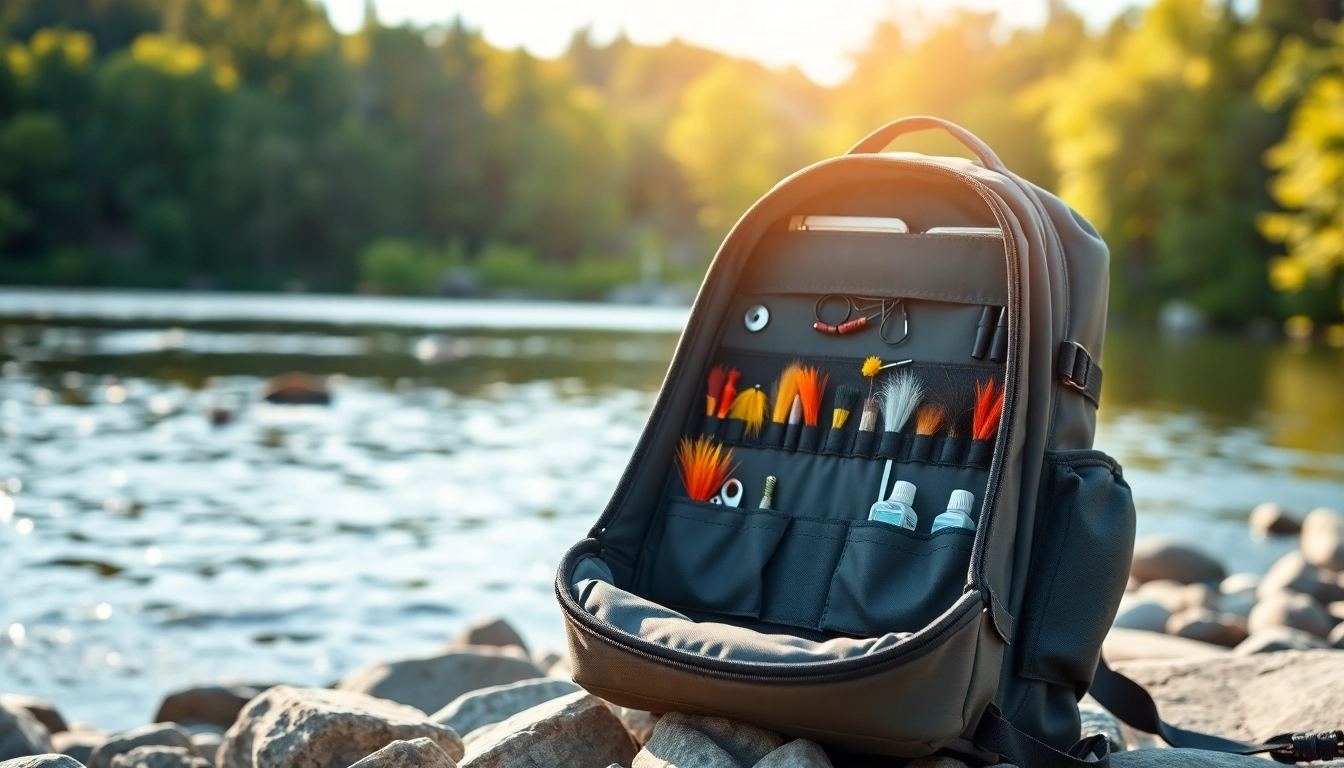
Understanding the Fly Fishing Backpack Essentials
A fly fishing adventure often relies on efficient gear organization and accessibility, making a quality Fly fishing backpack an indispensable tool for anglers. Whether you’re navigating rocky rivers or hiking into remote fishing spots, the right backpack can make all the difference by keeping your equipment safe, organized, and ready for action. In this comprehensive guide, we’ll delve into the core attributes, variations, best practices for organization, maintenance, and more, ensuring you select the perfect pack for your fishing escapades.
Key Features to Look For
When shopping for a fly fishing backpack, several key features should take precedence over aesthetic considerations. A good pack will enhance your fishing experience by offering:
- Compartments and Organizability: Look for multiple compartments to separate fishing gear, clothing, and personal items. Mesh pockets are great for items you need at a moment’s notice.
- Water Resistance: Choose a backpack with water-resistant materials or coatings to safeguard your gear against unexpected weather changes.
- Weight Distribution: Ergonomically designed straps and padded backs help distribute the weight of the backpack evenly, preventing strain on your shoulders and back.
- Accessibility: Features like side pockets, zipper access, or roll-top openings enable quick access to essentials like flies or tackle.
Materials and Durability
The material of your fly fishing backpack significantly impacts its longevity and performance. Common materials include:
- Nylon: Lightweight yet robust, nylon is resistant to water and abrasion, making it a popular choice for outdoor gear.
- Polyester: While slightly less durable than nylon, high-denier polyester can still offer excellent resistance to wear and moisture.
- Canvas: Known for its sturdiness, canvas offers protection but is generally heavier and less water-resistant.
Always check for reinforced seams and waterproof zippers, which enhance the pack’s durability and weather resistance.
Comfort and Fit
The fit of your fly fishing backpack is critical to ensure comfort during extended outings:
- Adjustable Straps: Opt for a backpack featuring adjustable straps to customize your fit according to your body shape.
- Padded Shoulder Straps: Look for models with ample padding to cushion the shoulders, making all-day wear comfortable.
- Hip Belt: A padded hip belt can help distribute weight more evenly, reducing strain on the shoulders.
Types of Fly Fishing Backpacks
The variety of fly fishing backpacks available means that anglers can select packs tailored to their specific needs and fishing styles. Here’s a breakdown of the most common types:
Day Packs vs. Multi-day Packs
Choosing between a day pack and a multi-day pack comes down to how long you plan to be on the water:
- Day Packs: These smaller backpacks are designed for shorter trips. They typically hold enough gear for an entire day on the river without unnecessary bulk.
- Multi-day Packs: These backpacks are spacious, allowing for additional gear such as cooking tools, food, or clothing necessary for extended trips.
Side Packs and Sling Options
Alternatives to traditional backpacks, these options provide convenience and accessibility:
- Sling Packs: Worn over one shoulder, sling packs allow easy access to gear without removing them—a significant advantage during active fishing.
- Side Packs: Ideal for quick access, these packs can be attached to your waist or worn on the side, offering instant access to tackle.
Waterproof Fly Fishing Backpack Benefits
A waterproof fly fishing backpack offers crucial advantages:
- Gear Protection: Waterproof materials ensure that even in heavy rain or accidental submerging, your gear remains dry.
- Enhanced Durability: Many waterproof backpacks are made with high-quality materials resistant to abrasions, prolonging their lifespan.
How to Organize Your Fly Fishing Backpack
Effective organization within your fly fishing backpack maximizes accessibility and efficiency on the water:
Gear Arrangement Strategies
Consider these key strategies for organizing your gear:
- Group Similar Items: Keep all flies, tippets, or leader lines in a specific compartment to avoid rummaging.
- Frequent Use Items: Store items you use often in easily accessible pockets. This minimizes disruption during fishing.
Using Packing Cubes
Packing cubes are a great way to manage gear effectively:
- Color-Coded Cubes: Assign colors for different gear types, which streamline the organizing process.
- Sizes: Use various sizes of packing cubes to fit different gear efficiently, ensuring optimized space usage.
Survivability of Essential Tools
Some essential tools are crucial to your fishing success, and their proper storage is vital:
- Fly Boxes: Keep your fly boxes secure and dry in dedicated compartments to avoid damage or loss.
- Tools: Use pouches or dedicated areas in your backpack for tools like scissors, clippers, or forceps for quick retrieval.
Advanced Features to Enhance Your Experience
Modern fly fishing backpacks often incorporate innovative features designed to improve your overall fishing experience:
Built-in Rod Holders
A built-in rod holder streamlines your fishing process:
- Allows you to carry your rods securely and gives you hands-free convenience when navigating rough terrains or rivers.
Integrated Hydration Systems
Staying hydrated while fishing is essential. Look for packs equipped with hydration reservoirs:
- These systems often have a tube for easy access to water without stopping regularly to take a drink.
Extra Compartments for Personal Items
Includes additional pockets for personal items like phones or wallets:
- Having dedicated pockets for personal items can prevent water damage and keep essentials secure and organized.
Maintenance Tips for Longevity
Proper care and maintenance can extend the life of your fly fishing backpack:
Cleaning Your Fly Fishing Backpack
Regular cleaning can prevent build-up of dirt and grime:
- Hand wash the fabric with mild soap and warm water, avoiding abrasive materials that could compromise the integrity of the fabric.
Storing Your Backpack Properly
Proper storage helps maintain the structure and longevity of your pack:
- Store your backpack in a cool, dry place away from direct sunlight, which can degrade materials over time.
Repairing Common Issues
Addressing minor damage promptly can prevent further issues:
- Small tears can be repaired with adhesive patches, while zipper problems may require replacements from outdoor retailers.
Frequently Asked Questions About Fly Fishing Backpacks
What size fly fishing backpack should I get?
The size depends on the length of your fishing trips. For day trips, a day pack (20-30 liters) is typically sufficient. For weekend trips, consider larger packs (50 liters or more).
Are waterproof fly fishing backpacks worth the investment?
Yes, waterproof backpacks protect your gear from rain and splashes, increasing durability and ensuring your equipment remains secure and dry.
Can I use a regular backpack for fly fishing?
You can, but dedicated fly fishing backpacks offer specialized features such as rod holders and water resistance, enhancing your fishing experience.
How do I organize my fly fishing gear in a backpack?
Group similar items, utilize packing cubes, and keep frequently used gear accessible. Organizing enhances efficiency and minimizes disruption while fishing.
How can I extend the life of my fly fishing backpack?
Regular cleaning, proper storage, and timely repairs will keep your backpack in optimal condition and extend its lifespan significantly.