
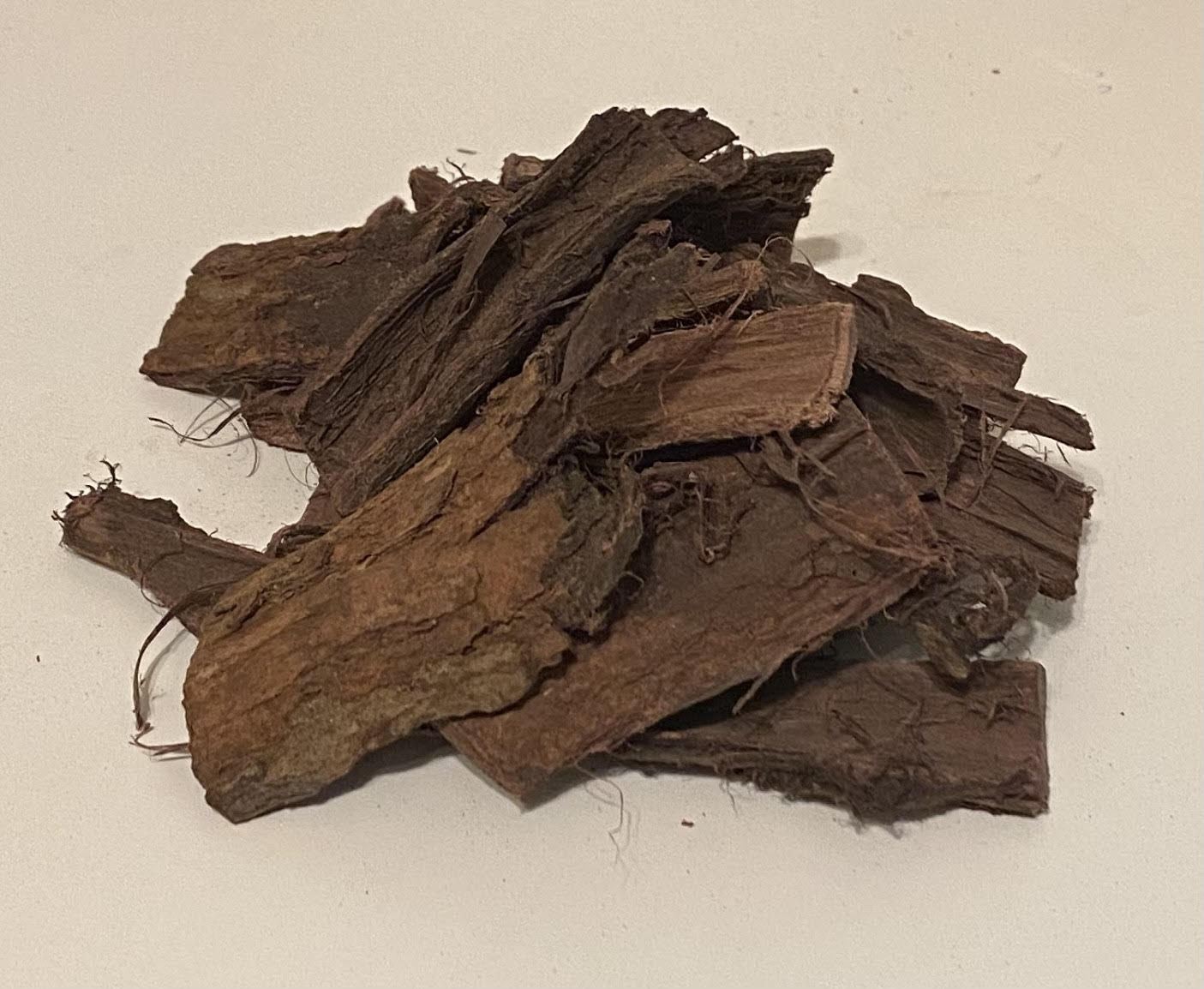
Alkanet red dye has gained significant attention among eco-conscious artisans seeking natural, sustainable alternatives to synthetic dyes. Derived from the roots of the Alkanna tinctoria plant, this botanical pigment offers a unique range of purple-red hues that enhance textiles while maintaining a low environmental impact. As interest in eco-friendly crafting grows, Alkanet red dye continues to stand out as a responsible, beautiful, and highly versatile choice for fabric and fiber dyeing. This article explores its benefits, methods, and best practices to help you get the most out of this natural colorant.
Why Choose Eco-Friendly Alkanet Red Dye?
A Plant-Based Color Solution
Alkanet red dye is entirely plant-derived, making it an ideal option for artists and textile creators who prioritize natural and renewable materials. With increasing awareness of chemical waste associated with synthetic dyes, Alkanet red dye offers an eco-conscious alternative that complements sustainable living and crafting practices.
Low Environmental Impact
Harvesting and processing Alkanet red dye require minimal resources compared to industrial dye production. Its biodegradable nature ensures that leftover dye baths or rinsing water pose no harm to ecosystems. This makes Alkanet red dye especially appealing for small studios, home dyers, and environmentally responsible workshops.
Understanding How Alkanet Red Dye Works on Fabrics
Compatible Fiber Types
Alkanet red dye works beautifully on both protein and plant fibers. Wool and silk often yield deeper, richer shades, while cotton, linen, and hemp showcase softer, earthy variations. The adaptability of Alkanet red dye allows for creative experimentation across different textiles.
Color Variations on Natural Fibers
Because it is a botanical pigment, Alkanet red dye may produce slightly unique results with each batch. This natural variation is one of its charms, giving textiles a one-of-a-kind organic appearance that cannot be replicated through synthetic methods.
Preparing Fabrics and Fibers for Eco-Friendly Dyeing
Scouring for Better Absorption
Before using Alkanet red dye, fibers should be thoroughly cleaned to remove oils and residues. Scouring improves dye uptake and ensures even color results. This step is especially important for plant fibers like cotton and linen.
Choosing Eco-Friendly Mordants
Mordants help Alkanet red dye bind to fibers more effectively. Alum is the most eco-friendly mordant option, offering excellent results while keeping your dyeing process natural and sustainable. Iron provides deeper tones but should be used sparingly due to its strong darkening effect.
Extracting Color from Alkanet the Eco-Friendly Way
Gentle Water Extraction
Simmering the roots slowly releases pigment while maintaining the eco-friendly integrity of the process. Low heat preserves the vibrant properties of Alkanet red dye and reduces energy consumption.
Alcohol Extraction for Stronger Color
An alcohol pre-soak helps release concentrated pigment from the roots, allowing for deeper color saturation. This method pairs well with eco-friendly production since it requires only small amounts of alcohol and enhances the performance of Alkanet red dye.
pH Adjustments Using Natural Ingredients
pH has a profound effect on color. To stay eco-friendly, use lemon juice, vinegar, or baking soda as natural pH adjusters. These ingredients shift Alkanet red dye toward warmer reds or cooler purples depending on your creative goals.
Eco-Conscious Techniques for Dyeing Fabrics
Low-Heat Steeping
Allowing fabrics to sit in a warm dye bath for extended periods reduces energy usage and provides full, even color absorption. This slow dyeing approach complements the eco-friendly nature of Alkanet red dye.
Solar Dyeing
A favorite technique among sustainable crafters, solar dyeing uses sunlight instead of electric heat. Placing Alkanet red dye and your prepared fabrics in a jar and leaving it in the sun can produce soft, atmospheric tones with minimal environmental impact.
Overdyeing for Rich Natural Shades
Layering Alkanet red dye with other botanical pigments such as madder or logwood results in complex, eco-friendly combinations. This method expands your color palette while keeping your process natural and sustainable.
Caring for Fabrics Dyed with Alkanet Red Dye
Gentle Washing
To preserve color, wash naturally dyed fabrics gently using mild, eco-friendly soaps. This ensures your Alkanet red dye creations stay vibrant while maintaining environmental responsibility.
Air Drying for Longevity
Air drying reduces energy consumption and helps maintain the quality of fibers dyed with Alkanet red dye. Keeping your textiles out of direct harsh sunlight preserves the richness of their plant-based tones.
Storage Tips
Store naturally dyed fabrics away from moisture and light to ensure long-lasting color. Proper care supports both sustainability and the beauty of Alkanet red dye over time.
Tips for Eco-Friendly Success with Alkanet Red Dye
Test Before Large Projects
Always test small fabric samples to understand how Alkanet red dye behaves with your chosen fiber, mordant, and pH level. This reduces waste and aligns with eco-conscious crafting.
Use Renewable Tools and Containers
Opt for glass, stainless steel, or reusable vessels to maintain an environmentally friendly dye studio. These materials also help preserve the purity of Alkanet red dye.
Keep Records
Documenting your dyeing steps helps refine your process and ensures consistent, eco-friendly results with Alkanet red dye in future projects.
Conclusion
Eco-friendly Alkanet red dye is a remarkable choice for artisans who value sustainability, natural beauty, and mindful crafting. Its plant-based origins, biodegradable nature, and stunning purple-red tones make it ideal for dyeing fabrics and fibers in an environmentally responsible way. By using thoughtful techniques, natural pH adjusters, and renewable resources, you can create beautiful, earth-friendly textiles enriched with the organic charm of Alkanet red dye. As sustainable crafting continues to grow, this botanical dye remains a timeless and eco-conscious option for makers everywhere.