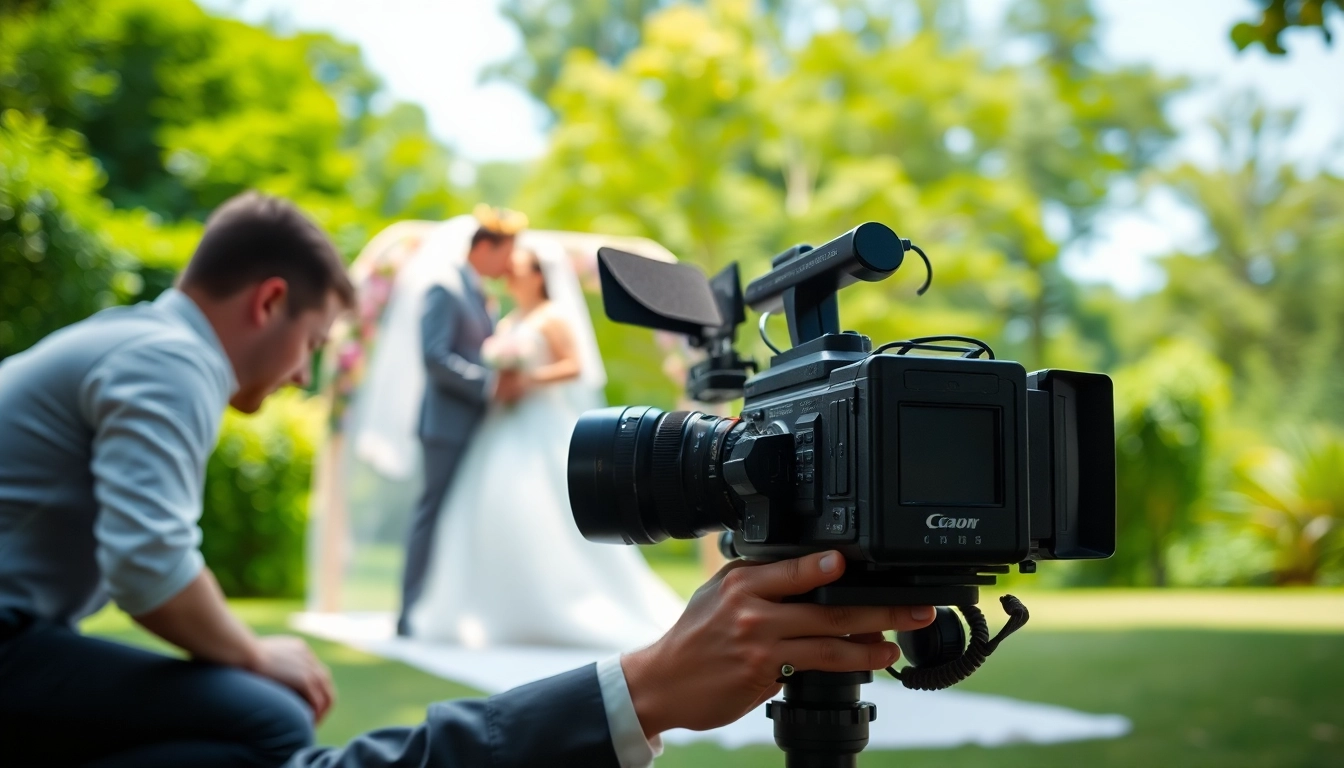
The Essence of a Videographer
In our visually driven world, the role of a Videographer emerges as an essential facet of storytelling and content creation. Through the lens of a camera, a videographer captures moments that elicit emotions, convey messages, and document events. But what exactly defines a videographer's role, and how has this profession evolved to meet the demands of an ever-changing landscape?
What Defines a Videographer
A videographer is primarily a professional responsible for recording video footage, either on location or in a studio setting. This role encompasses a broad range of responsibilities, from planning a shoot and setting up equipment to capturing high-quality footage and editing the final product. Unlike filmmakers, who typically focus on scripted narratives and cinematic production, videographers often work on real-life events—be it weddings, corporate gatherings, or promotional content.
Core Responsibilities of a Videographer
The core responsibilities of a videographer can be categorized into three main stages: pre-production, production, and post-production. During pre-production, a videographer collaborates with clients to understand their vision and objectives, scripting outlines, scouting locations, and preparing equipment are crucial elements of this phase. During production, capturing the footage is the primary focus, which includes not just filming but also managing sound and lighting. Lastly, in post-production, the videographer takes on the task of editing the footage to create a cohesive final product, which may involve color correction, sound design, and adding special effects.
Evolution of Videography as a Profession
The profession of videography has evolved dramatically over the past few decades. Initially, videographers relied on bulky, expensive equipment that was not user-friendly. With the advancements in technology such as the introduction of digital video cameras, editing software, and even smartphones capable of high-quality recording, videography has become more accessible to budding filmmakers. This democratization of video has led to a surge in content creation, prompting videographers to adapt to new trends and technologies, including live streaming and virtual reality content.
Key Skills for Aspiring Videographers
To excel in videography, one must master a diverse set of skills. From technical knowledge to creative prowess, these skills not only enhance a videographer's ability to produce compelling projects but also distinguish proficient videographers in a competitive industry.
Technical Skills Required for Videographers
Technical skills form the backbone of a videographer’s expertise. Key areas to focus on include:
- Camera Operation: Understanding how to operate different types of cameras—DSLRs, camcorders, and professional cinema cameras.
- Sound Engineering: Mastering audio recording and editing technologies, as clear sound is just as vital as visual quality.
- Lighting Techniques: Knowing how to set up lighting can dramatically affect the mood and quality of footage captured.
- Editing Software Skills: Familiarity with programs like Adobe Premiere Pro, Final Cut Pro, and another video editing software is essential for post-production.
Creative Skills that Enhance Videography
In addition to technical expertise, a successful videographer employs a range of creative skills, which are just as pivotal. These include:
- Storytelling: Every video needs a narrative. Understanding how to develop a story through visuals helps engage audiences.
- Composition and Framing: The ability to frame shots and compose scenes that are visually appealing adds depth to videography.
- Problem-Solving: Challenges arise inevitably during filming—whether it’s lighting issues or last-minute changes—and a creative problem solver can navigate these hurdles smoothly.
Essential Equipment for a Videographer
Having the right equipment is crucial for any videographer. Basic gear typically includes:
- Camera: A powerful camera is fundamental; options include DSLRs, mirrorless cameras, and camcorders.
- Tripods and Stabilizers: A stable shot requires solid equipment; tripods and gimbals help reduce shakes.
- Microphones: Quality audio equipment, including shotgun mics and lavalier mics, is necessary to capture clear sound.
- Lighting Kits: Softboxes, LED panels, and reflectors enhance the visual quality of footage.
- Editing Software: Software for post-production editing is as essential as the recording equipment.
Videography Techniques and Best Practices
To produce outstanding video content, videographers should employ various techniques and adhere to industry best practices. These approaches enhance the quality of video projects and ensure a professional final product.
Understanding Composition and Framing
Composition refers to how the elements within a shot are arranged, which significantly affects how viewers perceive a scene. Techniques such as the Rule of Thirds, leading lines, and symmetry can help create harmonious images that draw the viewer’s attention where it's intended. A well-composed shot can evoke emotions and contribute meaningfully to the story.
Lighting Techniques Every Videographer Should Know
Lighting sets the scene and conveys mood, making it a crucial aspect of videography. Here are fundamental lighting techniques a videographer should consider:
- Three-Point Lighting: This standard practice involves using three light sources: key light, fill light, and backlight to create depth and separation between the subject and the background.
- Natural vs. Artificial Light: Understanding when to use natural light, such as during golden hour, vs. when to utilize artificial lighting for controlled conditions.
- Diffusing Light: Softening harsh light using diffusers or reflectors will result in flattering illuminations, especially for interviews.
Editing Skills: Bringing Footage to Life
The editing process involves assembling footage in a way that creates a coherent and engaging narrative. Effective editing skills include:
- Cutting Techniques: Knowing how to cut scenes—whether using jump cuts, crossfades, or match cuts—can create dynamic storytelling.
- Color Grading: Adjusting colors can significantly enhance the overall visual appeal and mood of the video.
- Audio Editing: Ensuring audio tracks are balanced, and sound effects are creatively integrated enhances viewer engagement.
Career Paths for Videographers
The field of videography presents numerous career opportunities. Depending on one's interests, a videographer may choose various paths leading to different environments and types of projects.
Freelancing vs. Full-Time Employment
One of the first decisions an aspiring videographer must make is whether to pursue freelancing or seek full-time employment. Freelancing tends to offer more flexibility, allowing videographers to work on diverse projects across various industries. However, it also comes with uncertainty in income and the need for self-promotion. Conversely, full-time employment generally provides stability, a steady paycheck, and benefits, but may limit project variety and creative expression.
Industries Hiring Videographers
Videographers have a wide array of industries seeking their skills. These include:
- Entertainment: Film and television production companies often hire videographers to assist in capturing content.
- Corporate: Businesses increasingly rely on videographers for promotional videos, training videos, and event coverage.
- Event Planning: Weddings and private events commonly seek videographers to document their memorable moments.
- Digital Marketing: Brands and influencers leverage videographers to create engaging content for social media platforms.
Building a Portfolio as a Videographer
A compelling portfolio is crucial for showcasing a videographer's skills and attracting potential clients. Here are effective strategies for portfolio development:
- Showcase Diversity: Include a variety of work to demonstrate versatility—examples should span different styles, formats, and themes.
- Quality over Quantity: Focus on displaying only the best work rather than cramming a portfolio with numerous mediocre projects.
- Client Testimonials: Incorporate reviews from satisfied clients, which can lend credibility and provide social proof of expertise.
The Future of Videography
As technologies and societal demands evolve, so too does the landscape of videography. Embracing this dynamic field entails staying informed about new trends and integrating emerging techniques into one’s work.
Emerging Trends in Videography
Videographers must keep an ear to the ground for trends that shape industry practices. Popular trends include:
- Live Streaming: With the rise of platforms such as Twitch and Facebook Live, real-time videography is gaining traction.
- Asynchronous Video Communication: Businesses are increasingly creating pre-recorded video presentations for clearer communications.
- 360-Degree Video and Virtual Reality: As VR technology becomes commonplace, videographers must adapt by crafting immersive experiences that engage viewers in new ways.
The Impact of Technology on Videography
Advancements in technology have significantly impacted videography. Not only has the cost of high-quality video equipment decreased, but software solutions for editing and production have become more accessible. From AI-enhancements to mobile applications, technology continues to redefine operational boundaries within videography, allowing videographers to achieve creative vision more easily.
Opportunities for Growth in Videography
The future remains bright for ambitious videographers. With the surge in digital content consumption, there is an ever-growing demand for skilled professionals who can execute their craft effectively. Opportunities can arise from networking, continuous learning, and embracing innovative formats to stand out in the crowd.