
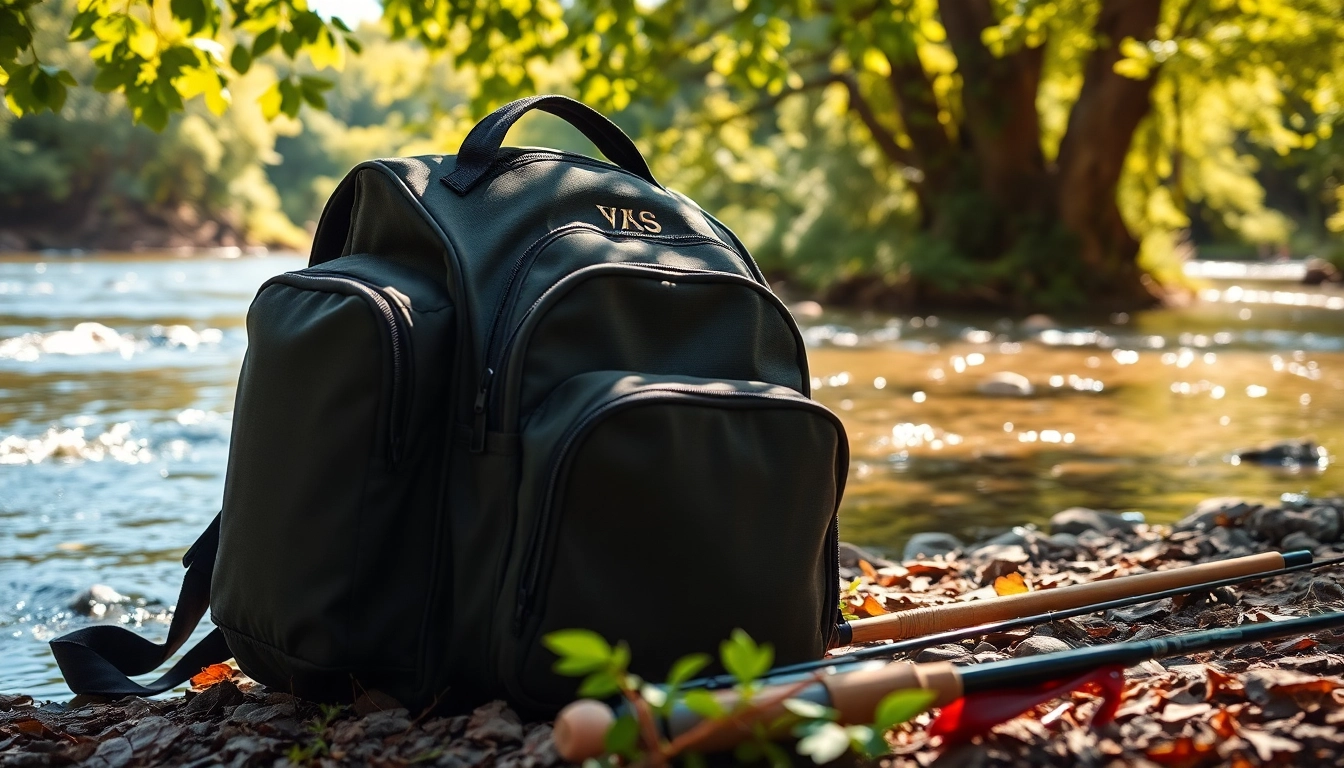
The Essentials of a Fly Fishing Backpack
A fly fishing backpack is a critical piece of gear for any angler looking to ensure an organized and efficient experience on the water. Engaging in this beloved outdoor activity often requires carrying multiple items, including tools, bait, and personal necessities. Therefore, understanding what makes a fly fishing backpack functional and suitable for your needs is paramount. Investing in a quality backpack can lead to more enjoyable fishing trips as it allows you to focus on the experience rather than rummaging through disorganized gear. Let’s delve into the essential elements that define a top-notch fly fishing backpack.
Features to Look For
When selecting a fly fishing backpack, certain features can enhance your overall fishing experience significantly. Below are some of the most important attributes to consider:
- Comfortable Straps: Look for padded, adjustable shoulder straps that distribute weight evenly. Having a well-fitted backpack is crucial during long hikes.
- Storage Options: Adequate compartments and pockets allow for organized storage. Make sure to choose a backpack that offers specialized pockets for your fly boxes, tools, and essentials.
- Attachment Points: Many fly fishing backpacks come with D-rings and gear loops that enable you to attach items such as your landing net or rod tube securely.
Understanding Capacity and Organization
Fly fishing backpacks come in different capacities, typically measured in liters. Depending on the duration of your adventure, you might need either a smaller pack for a short outing or a larger one for extended trips. Understanding how to efficiently organize your pack can save you time and frustration:
- Use smaller bags or cases inside the main compartment for specific items like tippets, leaders, and flies.
- Choose backpacks with externally accessible pockets for quick retrieval of essentials.
- Consider the weight distribution; keep heavier items close to your back to maintain balance while hiking.
Material Durability and Weather Resistance
A fly fishing backpack is exposed to various environmental conditions, so the material is vital. Look for durable, high-denier fabrics that can withstand rugged terrain.
Weather resistance is another crucial aspect. A backpack made from waterproof or water-resistant materials will protect your gear during sudden rain showers or water splashes. Brands often incorporate a durable water repellent (DWR) finish to enhance performance.
Top Brands Offering Fly Fishing Backpacks
While there are countless brands available in the market, a few stand out based on quality, functionality, and customer satisfaction. Here are some of the top brands offering fly fishing backpacks:
Comparing Popular Brands and Their Products
Several brands have established themselves as leaders in the fly fishing backpack market:
- Orvis: Known for their high-quality materials and innovative designs, Orvis backpacks often feature specialized compartments for tackle storage.
- Simms: This brand is recognized for durability and comfort, with many of its backpacks being waterproof and designed for active fishermen.
- Patagonia: Offers sustainably produced bags that blend well with outdoor environments, focusing on eco-friendly materials and ethical production practices.
What Makes a Brand Stand Out?
In a competitive market, several factors can make a fly fishing brand stand out. First and foremost is innovation—brands that constantly evolve and incorporate modern technology into their designs typically attract more attention. Additionally, reputation plays a significant role; brands with positive user reviews or endorsements from professional anglers tend to resonate more with customers. Finally, customer service and warranty policies can significantly influence buyer decisions.
User Reviews and Recommendations
What better way to evaluate a fly fishing backpack than through user feedback? Reviews often highlight the pros and cons of specific backpacks, assisting would-be buyers in making informed choices. Look for patterns in reviews, as these can provide insights on the longevity of the backpack, comfort during extended wear, and suitability for various fishing conditions.
Best Practices for Packing Your Fly Fishing Backpack
Optimizing packing techniques will not only enhance your fishing experience but also promote efficiency during your trips. As such, let’s explore best practices for packing your fly fishing backpack:
Essential Gear to Include
When preparing for a fly fishing trip, having the right gear on hand is crucial. Essential items to pack include:
- Fly Boxes: Ensure you have a diverse selection of flies suited for different fishing conditions.
- Leader and Tippet: Always carry a few spools in various strengths to adapt to changing fishing needs.
- Tool Kit: Include essentials such as forceps, scissors, and a multi-tool for quick adjustments.
- Waterproof Bag: For personal items like clothing, snacks, and electronics, consider using waterproof bags to protect against splashes and sudden weather shifts.
Tips for Efficient Organization
Fly fishing backpacks can become chaotic if proper organization is not maintained. Follow these tips for effective packing:
- Utilize packing cubes or smaller bags within the main compartment to categorize gear.
- Pack items you’ll need to access quickly in top or side pockets.
- Label different compartments if possible, so you know where everything is at a glance.
Maintaining Balance for Comfort During Hikes
A balanced backpack reduces fatigue and improves your overall hiking performance. Achieving balance entails:
- Weight Distribution: Keep heavier items close to your back and lightest items on the outer edges.
- Adjusting Straps: Regularly check and adjust the shoulder and waist straps to fit your body as you navigate various terrains.
- Monitoring Load: Regularly assess your load and remove any unnecessary weight that could hinder mobility.
Advanced Features of Premium Fly Fishing Backpacks
For anglers who are serious about their craft, premium fly fishing backpacks often feature advancements that enhance functionality:
Hydration Systems and Integrated Tools
Some modern packs come equipped with hydration systems, allowing fishermen to maintain hydration without fumbling for water bottles. Additionally, integrated tool storage can streamline access to critical instruments, enabling a more fluid fishing experience.
Versatile Attachment Points & Compartments
Premium models often boast multiple attachment points purposely designed for gear such as nets, rod holders, and waterproof bags. These features increase usability and the versatility of your pack, catering to different fishing locales and styles:
- Rod Holders: Some packs integrate rod holders for easy transport when you need both hands free.
- Net Sleeve: A dedicated sleeve for a landing net ensures it’s always within reach when you need it.
Waterproofing and Other Technological Enhancements
Top-tier backpacks are often made with waterproof materials, ensuring your gear remains protected in adverse conditions. Additionally, upgrades such as RFID pockets, solar charging capabilities, and built-in GPS can elevate the functionality of a backpack, although these may come at a higher price point.
Real-Life Experiences: Anglers Share Their Stories
Nothing speaks louder than the experiences of fellow anglers. Here, we delve into real-life stories and insights shared by fly fishers regarding their backpack choices.
Trip Highlights with Different Backpacks
Many anglers have shared their unique trip highlights when using various fly fishing backpacks, providing clues about what works best under specific circumstances. For example, an angler might recount how a minimalist backpack allowed for agile movements during a mountain stream excursion, whereas another mentions the extensive storage of a larger pack that was ideal for longer multi-day trips.
Lessons Learned from Backpacking Adventures
Adventures often come with lessons. Whether it’s realizing the importance of a waterproof design during an unexpected downpour or learning to pack lighter for comfort, firsthand stories of anglers can offer invaluable insights that help others prevent similar misadventures.
Recommendations from the Field
Existing users of fly fishing backpacks often have specific recommendations based on what they’ve learned over time. These include tips like choosing a pack with accessible storage for sunblock and snacks or investing in a model that’s adaptable for both day and night trips. Their insights can guide new anglers in making well-informed decisions.