- Understanding License Plate Recognition Camera Technology
- Benefits of Implementing License Plate Recognition Cameras
- Choosing the Right License Plate Recognition Camera
- Installation and Maintenance of License Plate Recognition Cameras
- The Future of License Plate Recognition Camera Technology
- Frequently Asked Questions
Understanding License Plate Recognition Camera Technology
What is a License Plate Recognition Camera?
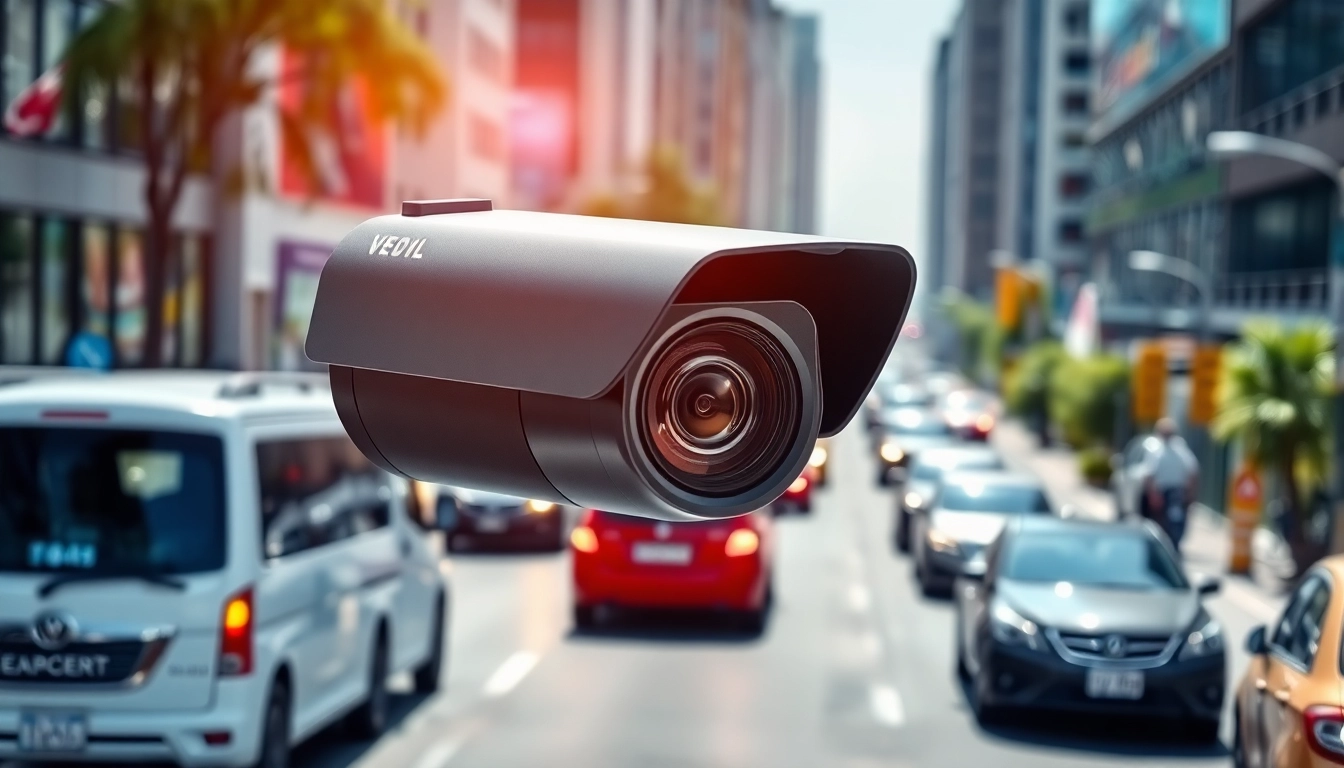
A license plate recognition camera is a specialized type of camera designed to read vehicle registration plates. These cameras utilize advanced image processing techniques to capture and analyze the characters on license plates, often in real-time. This technology has gained traction for its applications in law enforcement, parking management, and security systems, where efficient vehicle identification is critical.
How Does License Plate Recognition Work?
License plate recognition cameras operate by capturing high-resolution images of vehicles as they pass by. The process involves several key steps:
- Image Capture: The camera uses infrared lighting and a high-speed shutter to capture clear images, even in poor lighting conditions.
- Image Processing: Advanced algorithms analyze the image to enhance clarity, focusing on the license plate region.
- Character Recognition: Optical character recognition (OCR) technology is employed to convert the visual data into alphanumeric characters.
- Data Storage: The extracted license plate numbers are stored, allowing for retrieval and review later, often linked to additional metadata such as time and location.
Key Features of License Plate Recognition Cameras
Several essential features contribute to the effectiveness of license plate recognition cameras:
- High Resolution: Essential for capturing clear images of plates from various distances.
- Infrared Illumination: Allows for reading plates in low-light conditions.
- Fast Processing: Enables real-time identification and logging of vehicles.
- Durability: Many models are built to withstand harsh weather conditions, ensuring reliability.
- Integration Capabilities: Compatibility with existing security and traffic management systems.
Benefits of Implementing License Plate Recognition Cameras
Enhanced Security Measures with License Plate Recognition
Installing a license plate recognition camera can significantly improve security for residential and commercial areas. By automating vehicle identification, property owners can easily monitor access points and detect unauthorized vehicles. In law enforcement, these systems facilitate quick identification of stolen vehicles or tracking repeat offenders. Furthermore, the ability to create logs of vehicle movement enhances accountability and can deter criminal activity.
Efficiency in Traffic Management Using License Plate Recognition
Traffic management systems benefit greatly from the implementation of license plate recognition camera technology. These cameras can be used for automated toll collection, traffic flow analysis, and congestion management. By providing real-time data on vehicle counts and flow patterns, municipalities can make informed decisions to improve traffic conditions, reduce congestion, and optimize public transportation routes.
Cost Savings from License Plate Recognition Systems
While the initial setup cost of license plate recognition systems might be substantial, the long-term savings are significant. Automating processes such as gate access or parking management reduces manpower requirements, cutting labor costs. Moreover, the quick identification of license plates can lead to faster incident responses, minimizing losses related to theft or property damage.
Choosing the Right License Plate Recognition Camera
Factors to Consider When Selecting a License Plate Recognition Camera
Selecting the appropriate license plate recognition camera entails considering several factors:
- Environment: Assess whether the camera will be used indoors or outdoors and its exposure to environmental elements.
- Speed of Capture: Ensure the system can operate effectively at the speed of vehicles you expect.
- Resolution: Higher resolutions provide clearer images and better recognition accuracy.
- Software Compatibility: Ensure the camera integrates seamlessly with existing systems or software.
- Budget: Factor in both initial costs and ongoing maintenance when budgeting for a system.
Comparative Analysis of License Plate Recognition Cameras
When considering different models of license plate recognition cameras, conducting a comparative analysis is vital. Factors to compare may include:
- Cost and warranty periods
- Recognition accuracy rates
- Customer service and technical support options
- User reviews and case studies detailing real-world performance
Evaluating multiple options helps to ensure the most effective camera is chosen for specific needs.
Top Use Cases for License Plate Recognition Cameras
Various industries and sectors benefit from license plate recognition technology:
- Law Enforcement: Used for tracking stolen vehicles, identifying suspects, and enhancing public safety.
- Parking Facilities: Streamline entry and exit processes, reduce wait times, and manage space availability.
- Border Security: Monitor and track vehicles entering and leaving borders for security control purposes.
- Fleet Management: Monitor fleet movements for tracking and efficiency improvements.
- Event Security: Identify attendees in restricted access areas, enhancing safety at large events.
Installation and Maintenance of License Plate Recognition Cameras
Steps for Successfully Installing a License Plate Recognition Camera
The installation of a license plate recognition camera should follow a detailed plan. Key steps include:
- Location Assessment: Identify optimal locations for maximum vehicle visibility.
- Mounting: Securely mount the camera at the correct height and angle for effective capture.
- Wiring: Install necessary power and data cables, ensuring they are protected from environmental wear.
- Software Setup: Configure recognition software and integrate it with an existing security system.
Professional installation can ensure that the system is configured correctly from the outset, optimizing performance.
Routine Maintenance Tips for License Plate Recognition Cameras
To ensure longevity and optimal performance, regular maintenance of license plate recognition cameras is essential. A maintenance schedule should include:
- Cleaning lenses to prevent dirt or debris from obstructing visibility.
- Updating software periodically to improve performance and security standards.
- Conducting routine checks on wiring and connections to prevent failures.
Establishing a maintenance protocol helps in identifying issues before they lead to costly repairs or system failures.
Common Issues and Troubleshooting License Plate Recognition Cameras
Being aware of potential issues with license plate recognition cameras can facilitate quicker resolutions. Some common problems include:
- Inconsistent recognition rates, which may be corrected with software updates or positioning adjustments.
- Image quality issues due to weather conditions, mitigated through proper housing and installations.
- System compatibility problems, which require evaluation of software settings and necessary updates.
Understanding how to troubleshoot these problems can minimize downtime and ensure smooth operations.
The Future of License Plate Recognition Camera Technology
Emerging Trends in License Plate Recognition Technology
The landscape of license plate recognition technology is continually evolving. Current trends indicate a shift towards:
- Integration with IoT: Enhanced connectivity with other smart devices for real-time data sharing.
- Advanced Analytics: Use of big data analytics to evaluate patterns in vehicle movement for predictive insights.
- Cloud Management: Centralized data storage providing easier access and management of license plate records.
These advancements are likely to enhance the effectiveness and versatility of license plate recognition systems.
Integration of AI in License Plate Recognition Cameras
Artificial intelligence is revolutionizing the capabilities of license plate recognition cameras. AI-enhanced systems can:
- Improve recognition accuracy through machine learning algorithms.
- Adapt to changing conditions, such as differing light and weather.
- Predict and analyze trends within vehicular movement, delivering actionable insights.
Integrating AI offers a future where license plate recognition systems are increasingly autonomous and insightful.
Impact of License Plate Recognition on Privacy and Legislation
As the use of license plate recognition cameras becomes widespread, concerns about privacy and user data become paramount. Legislators are addressing these concerns by:
- Creating guidelines for data retention and usage to protect individuals’ privacy.
- Enforcing transparency requirements for entities using LPR technology.
- Encouraging community engagement to discuss the implications of surveillance technologies.
Maintaining a balance between innovation and privacy will be crucial as these systems continue to develop.
Frequently Asked Questions
What types of vehicles can license plate recognition cameras read?
License plate recognition cameras can read various types of vehicles, including cars, trucks, motorcycles, and even trailers.
Do license plate recognition cameras work in all weather conditions?
Most modern license plate recognition cameras are designed to function effectively in various weather conditions like rain, fog, and snow.
Can license plate recognition cameras be used for home security?
Yes, they can enhance home security by monitoring vehicles entering or leaving your property and alerting homeowners to unauthorized access.
What is the average price of a license plate recognition camera?
The price of a license plate recognition camera varies widely based on features and specifications, typically ranging from a few hundred to several thousand dollars.
Are there legal restrictions on the use of license plate recognition cameras?
Yes, regulations differ by region, often requiring entities to adhere to data privacy laws and guidelines regarding data retention and public notices.