Understanding Roof Repair Basics
What is Roof Repair?
Roof repair involves addressing issues within a roof structure to restore its integrity and functionality. This can include fixing leaks, replacing damaged shingles, and ensuring that the roof is structurally sound. Regular roof maintenance and timely repairs can prevent more extensive damage and costly replacements, making Roof repair a critical aspect of homeownership.
Common Causes of Roof Damage
Several factors can lead to roof damage, including:
- Weather Conditions: Heavy rain, snow, hail, and strong winds can all contribute to roofing issues.
- Age of the Roof: As roofs age, they become more susceptible to leaks and damage.
- Poor Installation: Improper installation can lead to a higher chance of future problems.
- Pest Infestation: Birds, rodents, and insects can cause significant damage if they make a home in your roof.
Signs Your Roof Needs Repair
Understanding the signs that indicate you may need roof repair is essential. Look for:
- Missing or damaged shingles.
- Water stains on ceilings or walls.
- Mold or mildew growth.
- Visible sagging in the roofline.
Assessing Damage Before Repair
Visual Inspection Techniques
Conducting a thorough visual inspection is the first step in assessing roof damage. Here are some techniques:
- Use binoculars to inspect high areas from the ground.
- Look for missing or cracked shingles.
- Inspect the flashing around chimneys and vents.
- Check for granule loss in gutters, which indicates shingle wear.
When to Call a Professional
While some repairs can be handled by homeowners, knowing when to call a professional is crucial. Seek professional help if:
- There is extensive damage or multiple issues found.
- You are uncomfortable working at heights.
- It involves complex repairs such as structural work.
Tools Required for Roof Repair
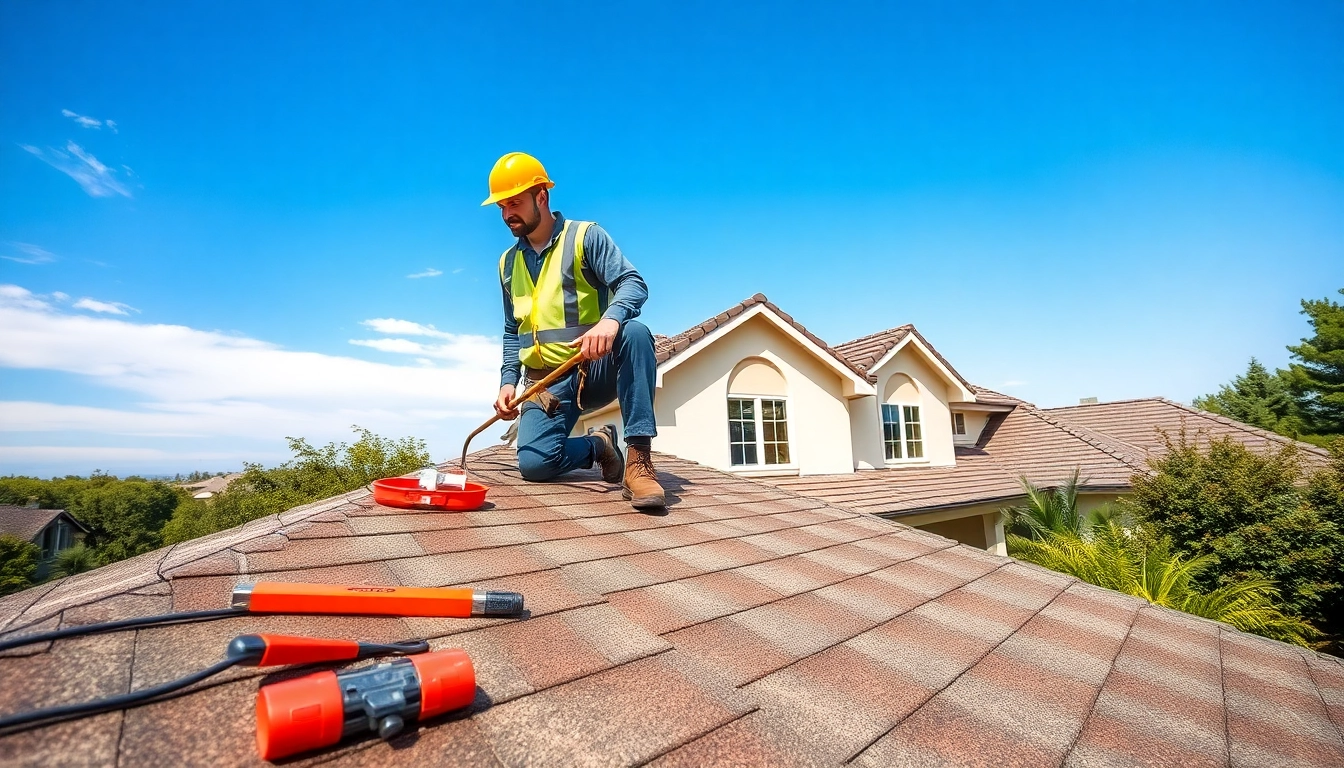
Proper tools make roof repair more manageable and safer. Essential tools include:
- Ladder: For safe access to the roof.
- Roofing hammer or nail gun: For shingle installation.
- Utility knife: For cutting shingles or other materials.
- Safety harness: Necessary for fall protection.
- Sealant: To address leaks effectively.
DIY Roof Repair Techniques
Step-by-Step Shingle Replacement
Replacing shingles is a common DIY task. Follow these steps:
- Identify the damaged shingles.
- Remove the nails holding the damaged shingles and lift them off.
- Place a new shingle in position and secure it with roofing nails.
- Seal the edges with a roofing adhesive.
Sealing Leaks Effectively
To seal leaks, locate the source of the leak first. Apply roofing sealant or patching material over the damaged area, ensuring a tight seal that can withstand weather conditions while allowing the roof to breathe.
Maintaining Roof Safety During Repairs
Safety should always be a priority during roof repairs:
- Use appropriate safety gear, including non-slip shoes and harnesses.
- Ensure that the roof is dry before starting any work.
- Have a partner assist you when working on steep roofs.
Professional Roof Repair Services
Choosing the Right Contractor
Selecting a qualified contractor involves reviewing several key factors:
- Check for relevant licenses and insurance.
- Read reviews and ask for references from previous clients.
- Get multiple quotes to compare pricing and services offered.
Understanding Cost Factors
The cost of roof repair can vary significantly based on various factors including:
- The extent of the damage.
- The type of materials used.
- Labor costs associated with the region.
Evaluating Repair Contracts
Always thoroughly evaluate repair contracts. Key points to consider:
- Project scope clearly defined.
- Estimated timelines for completion.
- Payment terms and conditions.
Maintaining Your Roof After Repair
Regular Inspection Tips
Post-repair maintenance is vital for roof longevity. Consider these inspection tips:
- Inspect your roof at least twice a year.
- Look for signs of wear or damage after storms.
- Keep gutters clean and debris-free.
Preventative Maintenance Practices
Implementing preventative maintenance can prolong your roof’s life:
- Trim overhanging branches to prevent damage.
- Clear debris from the roof regularly.
- Ensure adequate ventilation to prevent moisture buildup.
Long-term Benefits of Proper Care
Investing in proper roof care has numerous long-term benefits, such as:
- Enhanced lifespan of the roof structure.
- Decreased likelihood of major repairs.
- Improved energy efficiency for your home.
Frequently Asked Questions
What is the average lifespan of a roof?
The average lifespan varies by material but typically ranges from 20 to 50 years. Regular maintenance can extend this lifespan significantly.
How can I tell if my roof needs to be replaced instead of repaired?
If you see extensive damage, such as multiple leaks or sagging, replacement may be necessary. A professional assessment can provide clarity.
Can I perform roof repairs in rainy weather?
It is not advisable to perform repairs during rainy weather, as wet surfaces can be slippery and dangerous, and sealants may not bond properly.
What safety precautions should I take when repairing my roof?
Always wear safety gear, use a sturdy ladder, and consider using a safety harness. Never work alone on steep roofs.
When is it best to schedule roof repairs?
Spring and fall are often the best times to schedule repairs, as the weather tends to be milder and more stable during these seasons.