
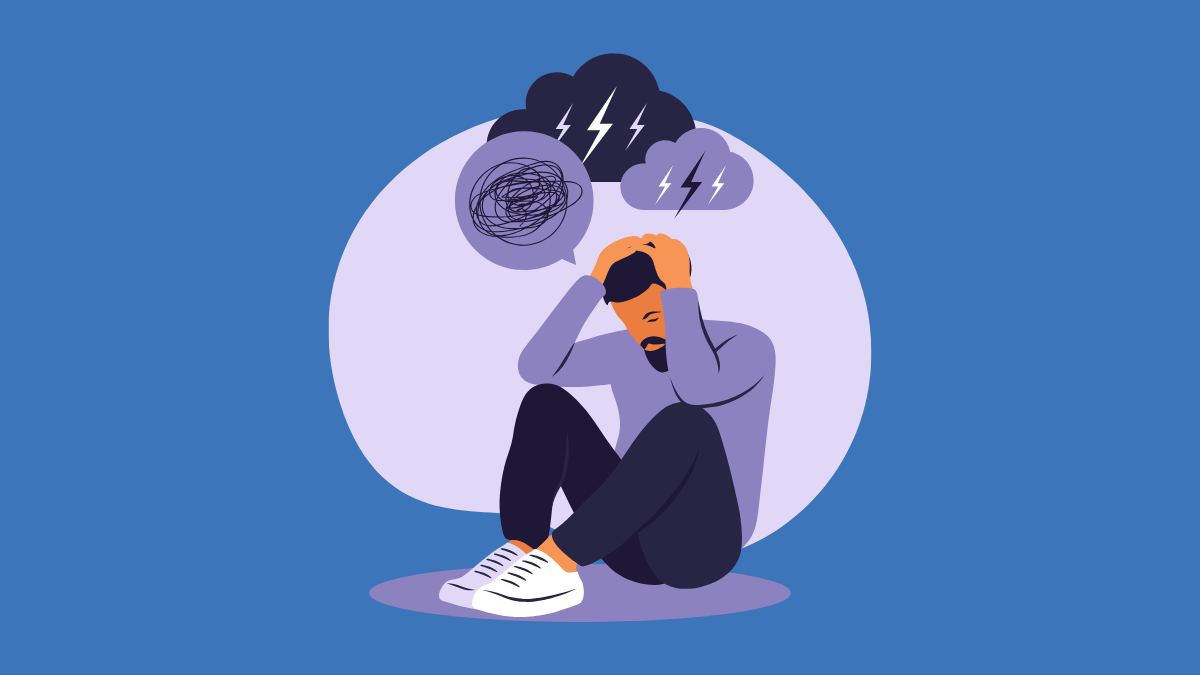
Depression is one of the most prevalent mental health disorders affecting millions of individuals worldwide. It’s more than just a passing feeling of sadness or discouragement. Depression is a serious, persistent mental health condition that impacts all aspects of a person’s life, including emotions, behavior, physical health, and relationships. When left untreated, depression can lead to severe consequences, including self-harm or suicidal thoughts. Identifying and understanding the symptoms of depression is crucial for managing the condition effectively and seeking timely intervention. This article delves deep into how to identify Depression symptoms and offers insights on how to manage them for better mental health.
What Is Depression?
Depression, also known as major depressive disorder (MDD), is characterized by persistent feelings of sadness, hopelessness, and a lack of interest or pleasure in everyday activities. The condition can significantly impair one’s ability to function in various aspects of life, such as work, relationships, and personal well-being.
The symptoms of depression are not just about feeling “down” for a short period. They are chronic and interfere with a person’s ability to live their life normally. For example, an individual might find it difficult to get out of bed, attend work or school, or maintain relationships with loved ones. These symptoms can last for weeks, months, or even years if not properly managed.
Depression Symptoms: How to Identify Them
Recognizing depression symptoms early is vital to managing the condition effectively. Although symptoms can differ from one person to another, there are some common signs to look out for. Understanding these symptoms can help individuals take the necessary steps toward seeking help and improving their mental health.
Emotional Symptoms of Depression
The emotional symptoms of depression are often the most noticeable. These include:
- Persistent feelings of sadness or emptiness: One of the most common emotional symptoms is an overwhelming sense of sadness, hopelessness, or despair. These emotions can last for weeks or longer, and individuals may feel like they will never feel better.
- Loss of interest in activities (Anhedonia): When depression takes hold, it becomes difficult to enjoy activities that were once enjoyable. This could include hobbies, work, socializing, or even spending time with loved ones. Anhedonia is a key symptom of depression and is often linked to a diminished sense of purpose.
- Feelings of worthlessness or guilt: Many people with depression feel inadequate or worthless. They may believe that they are failures, unworthy of love, or responsible for their struggles. These negative thoughts often fuel the cycle of depression and can make it harder to break free from the condition.
- Irritability or frustration: While sadness is a hallmark of depression, irritability can also occur. Individuals may feel easily agitated, frustrated, or angry, even by trivial matters. This can strain relationships and exacerbate the emotional toll of depression.
Physical Symptoms of Depression
Depression doesn’t just affect a person’s mood and emotions; it can also have a profound impact on physical health. Some common physical symptoms of depression include:
- Fatigue and lack of energy: One of the hallmark signs of depression is constant tiredness or a lack of energy, even after adequate rest. Individuals may find it difficult to get out of bed, complete tasks, or perform basic activities.
- Changes in appetite or weight: Depression can cause significant fluctuations in appetite. Some people may lose interest in food and experience weight loss, while others may find comfort in overeating, leading to weight gain. These changes are often driven by emotional states and can contribute to the physical effects of depression.
- Sleep disturbances: Sleep problems, such as insomnia (difficulty falling asleep or staying asleep) or hypersomnia (excessive sleep), are common in individuals with depression. These disturbances can make it even more difficult to manage daily responsibilities and maintain a healthy routine.
- Unexplained aches and pains: Depression can manifest in physical ways, including headaches, muscle pain, back pain, and gastrointestinal issues. These symptoms are often overlooked or misattributed to other conditions, but they are a known consequence of depression.
Cognitive Symptoms of Depression
Cognitive symptoms of depression involve changes in thought patterns, decision-making abilities, and memory. These symptoms can significantly affect an individual’s ability to function effectively at work or in daily life. Key cognitive symptoms include:
- Difficulty concentrating: People with depression often have trouble focusing on tasks, whether it’s work, reading, or conversations. They may find themselves easily distracted or forgetful, leading to a decline in performance at work or school.
- Negative thinking patterns: Depression is often accompanied by pervasive negative thoughts. Individuals may view the world through a pessimistic lens and feel like things will never improve. This can lead to feelings of hopelessness and further deepen the depressive state.
- Indecisiveness: Depression can leave individuals feeling unsure about even the simplest decisions. Whether it’s deciding what to wear, what to eat, or how to handle a situation at work, making choices can feel overwhelming when struggling with depression.
- Suicidal thoughts: In severe cases of depression, individuals may experience thoughts of death or suicide. These thoughts are a critical warning sign that immediate intervention is needed.

How to Manage Depression Symptoms
Managing depression symptoms is crucial for improving mental health and regaining control over one’s life. With the right treatment, support, and coping strategies, depression can be managed effectively. Here are some approaches to managing depression:
1. Seeking Professional Help
The first step in managing depression is seeking help from a qualified mental health professional. A therapist or counselor can help individuals understand their symptoms and work through the underlying causes of their depression. Therapy, such as Cognitive Behavioral Therapy (CBT), is commonly used to help individuals recognize and change negative thought patterns and behaviors that contribute to depression.
Psychiatrists may also prescribe medications such as antidepressants to help regulate brain chemicals, improve mood, and reduce symptoms of depression. It’s important to work closely with a healthcare provider to monitor the effectiveness of the medication and manage any potential side effects.
2. Building a Support System
Depression can leave individuals feeling isolated and alone, but building a support system can make a significant difference in managing the condition. Talking to trusted friends, family members, or support groups can help individuals feel understood and less alone in their struggles. Sharing feelings with others provides emotional relief and helps individuals regain a sense of connection.
3. Making Lifestyle Changes
Incorporating positive lifestyle changes can have a profound effect on managing depression symptoms. Here are a few lifestyle modifications that may help:
- Regular physical activity: Exercise is one of the most effective ways to combat depression. It releases endorphins, also known as the “feel-good” hormones, which can help improve mood and reduce feelings of sadness and hopelessness. Aim for at least 30 minutes of moderate exercise most days of the week.
- Healthy eating habits: A balanced diet can play a significant role in mental health. Consuming nutrient-dense foods such as fruits, vegetables, whole grains, lean proteins, and healthy fats provides the body with essential nutrients that support brain function and overall well-being.
- Adequate sleep: Depression can disrupt sleep patterns, but getting enough restful sleep is essential for mental health. Create a sleep routine, avoid excessive caffeine or alcohol, and limit screen time before bed to improve sleep quality.
- Mindfulness and relaxation techniques: Practices such as meditation, yoga, and deep breathing exercises can help reduce stress and anxiety, both of which are often present in individuals with depression. Regular mindfulness practices can foster emotional resilience and improve overall mental health.
4. Setting Realistic Goals
When experiencing depression, it can feel difficult to accomplish even the simplest tasks. It’s essential to set small, realistic goals that are achievable and provide a sense of accomplishment. Whether it’s completing a work task, going for a walk, or spending time with a friend, breaking tasks down into manageable steps can help reduce feelings of overwhelm and increase motivation.
5. Monitoring Negative Thought Patterns
One of the core aspects of depression is the presence of negative thinking patterns. Individuals may have distorted thoughts about themselves, their situation, and the future. Practicing cognitive restructuring through therapy or self-help exercises can help individuals recognize these negative patterns and replace them with more realistic and positive thoughts.
6. Engaging in Activities That Bring Joy
While depression can lead to a lack of interest in activities, it’s important to engage in hobbies, creative outlets, or activities that once brought joy. Even if it’s difficult at first, pushing oneself to participate in these activities can provide a sense of accomplishment and alleviate feelings of isolation.
7. Avoiding Substance Abuse
Substance abuse can worsen depression symptoms and make recovery more difficult. Alcohol and recreational drugs may temporarily numb emotional pain, but they can also interfere with medication, therapy, and overall mental health. Avoiding substances that negatively affect mood and mental well-being is a crucial aspect of managing depression.
8. Taking Care of Physical Health
Depression can take a toll on physical health, so it’s important to care for the body as well as the mind. Regular check-ups, managing chronic conditions, and staying on top of preventive care can help ensure that depression doesn’t worsen physical health issues.
When to Seek Immediate Help
There are times when depression symptoms can become so severe that immediate professional intervention is needed. If you or someone you know is experiencing any of the following, seek immediate help:
- Suicidal thoughts or self-harm: If someone is thinking about ending their life or engaging in self-harm, immediate professional help is required. Reach out to a mental health professional or call a suicide prevention hotline.
- Inability to function in daily life: If depression is significantly impairing someone’s ability to work, maintain relationships, or take care of themselves, urgent intervention is necessary.
- Intense feelings of hopelessness: When someone feels like they can’t go on or that nothing will ever get better, this is a critical time to seek professional help and discuss available treatment options.
Conclusion
Managing depression symptoms is vital for better mental health and overall well-being. Depression is a complex condition that affects various aspects of a person’s life, but with the right tools, resources, and support, it can be managed effectively. Recognizing the symptoms of depression, seeking professional help, making lifestyle changes, and building a solid support system are key strategies in improving mental health. If you or someone you know is struggling with depression, don’t hesitate to seek help. With the right support, recovery is possible, and individuals can regain control of their lives and well-being. Click here to return to the homepage and unlock more content.
FAQs
How can I tell if I’m experiencing depression or just feeling sad?
Sadness is a normal part of life, but depression lasts much longer and affects many aspects of your daily life. If you’ve been feeling down for more than two weeks and it’s interfering with your ability to function, you may be experiencing depression.
Can lifestyle changes help manage depression?
Yes, making lifestyle changes such as exercising regularly, eating a balanced diet, getting enough sleep, and practicing mindfulness can significantly help manage depression symptoms. These changes promote overall well-being and support mental health.
Is it possible to recover from depression?
Yes, depression is treatable. Many individuals recover with the right treatment, including therapy, medication, lifestyle changes, and emotional support. While the road to recovery may take time, it is absolutely possible to manage depression and live a fulfilling life.
Contact Us:
Name: Calm Minds Hub
Address: London Eye, Riverside Building, County Hall, Westminster Bridge Rd, London SE1 7PB, United Kingdom
Website: https://calmmindshub.com/