The Rich Heritage of Clarksburg Wines
A Historical Overview of Clarksburg’s Wine Culture
Clarksburg is a region rich in agricultural history, with winemaking dating back to the late 19th century. Early settlers recognized the potential of the region’s fertile soils and favorable climate for grape cultivation. Over the decades, Clarksburg wines evolved from small family operations to a renowned winemaking region, celebrated for its high-quality varietals. With a focus on sustainability and community-driven practices, Clarksburg’s wineries embrace tradition while innovating for the future.
Key Grape Varieties in Clarksburg
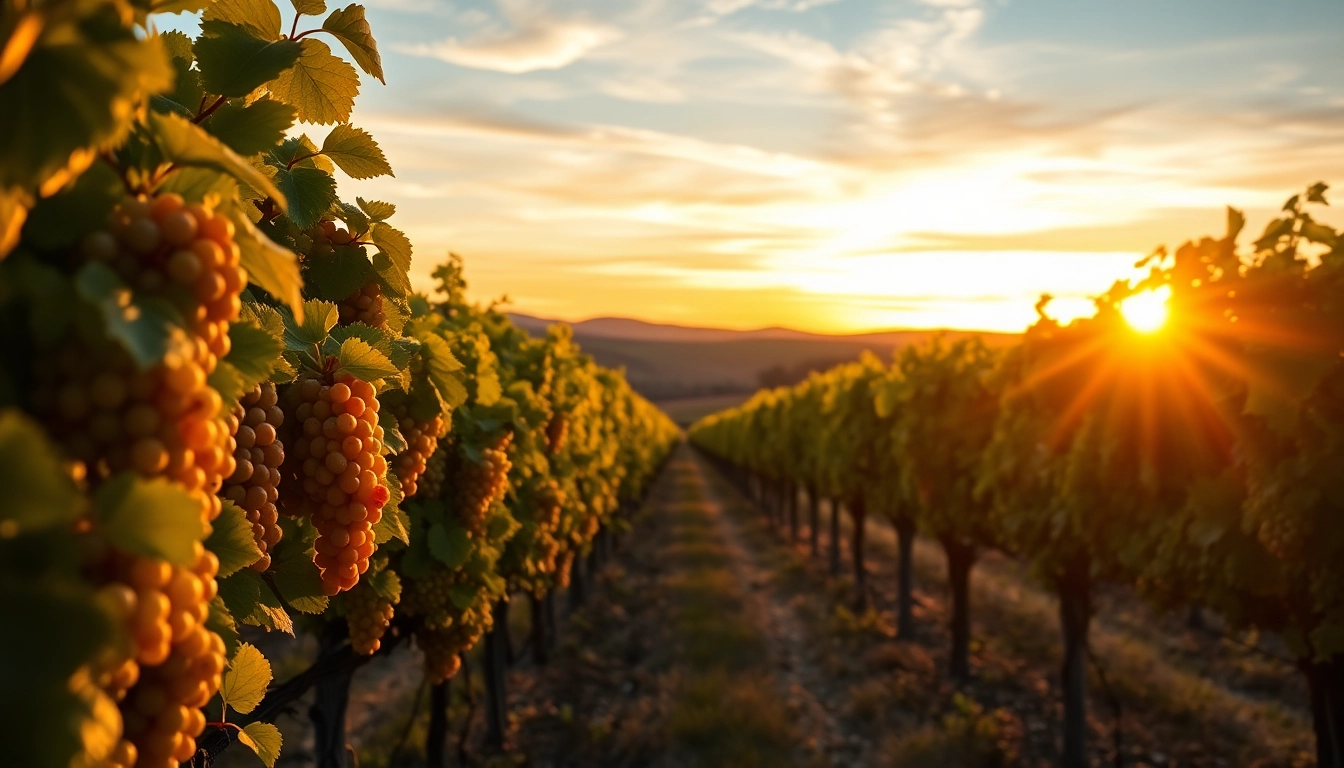
Clarksburg is distinguished by its diverse range of grape varieties. Notably, its Clarksburg wines prominently feature Chardonnay and Cabernet Sauvignon, which flourish in the region’s unique microclimates. Other popular varieties include Sauvignon Blanc, Zinfandel, and Syrah. Each grape offers distinct characteristics, reflecting the terroir and the winemakers’ expertise, leading to a vibrant tasting experience for enthusiasts and casual drinkers alike.
The Role of Terroir in Clarksburg Wines
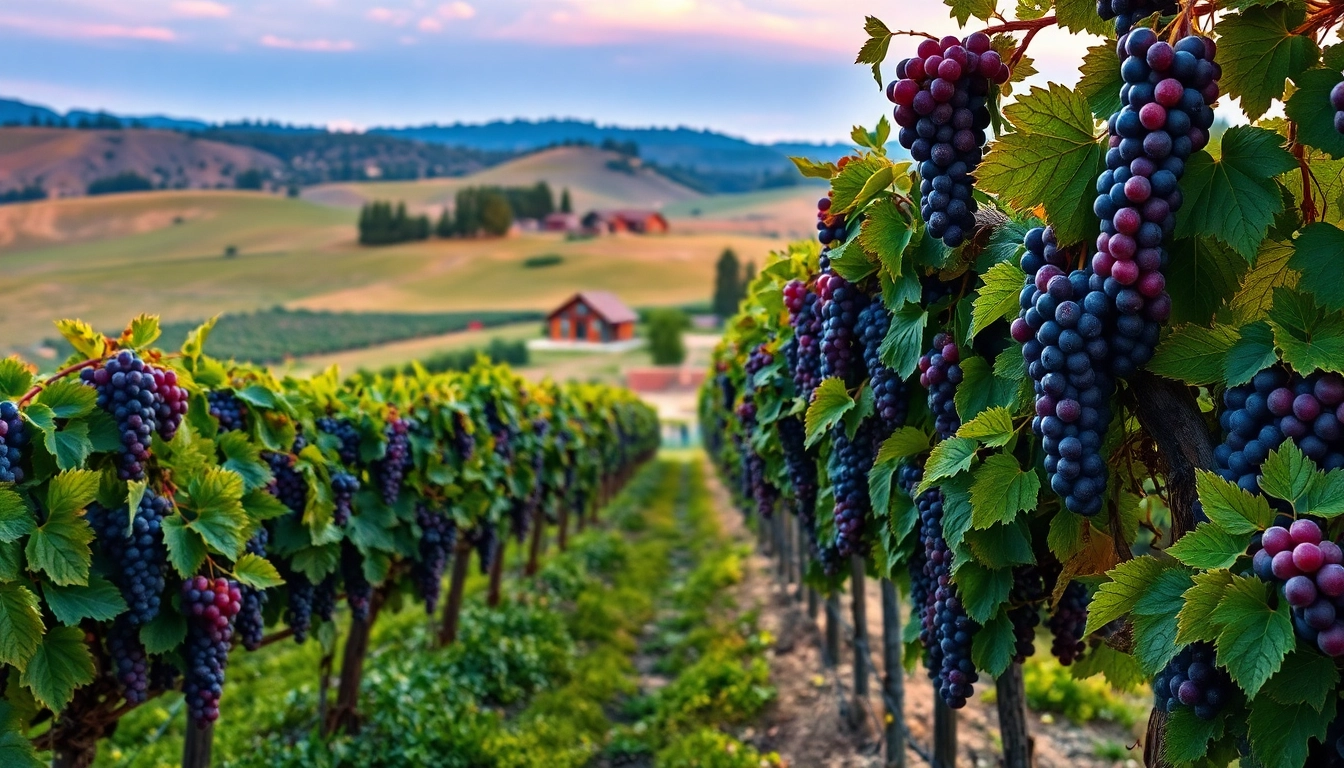
Terroir plays a crucial role in shaping the personality of Clarksburg wines. The region’s warm days and cool nights allow for balanced ripening, while the variety of soil types contributes to the depth of flavor in the wines. Clarksburg’s proximity to the Sacramento River provides an added factor in cooling the vineyards; this is essential for developing the acidity and freshness that characterize the region’s wines. The interplay of climate, soil, and grape variety culminates in a unique expression of local winemaking.
Tasting the Best of Clarksburg Wines
How to Properly Taste Wine
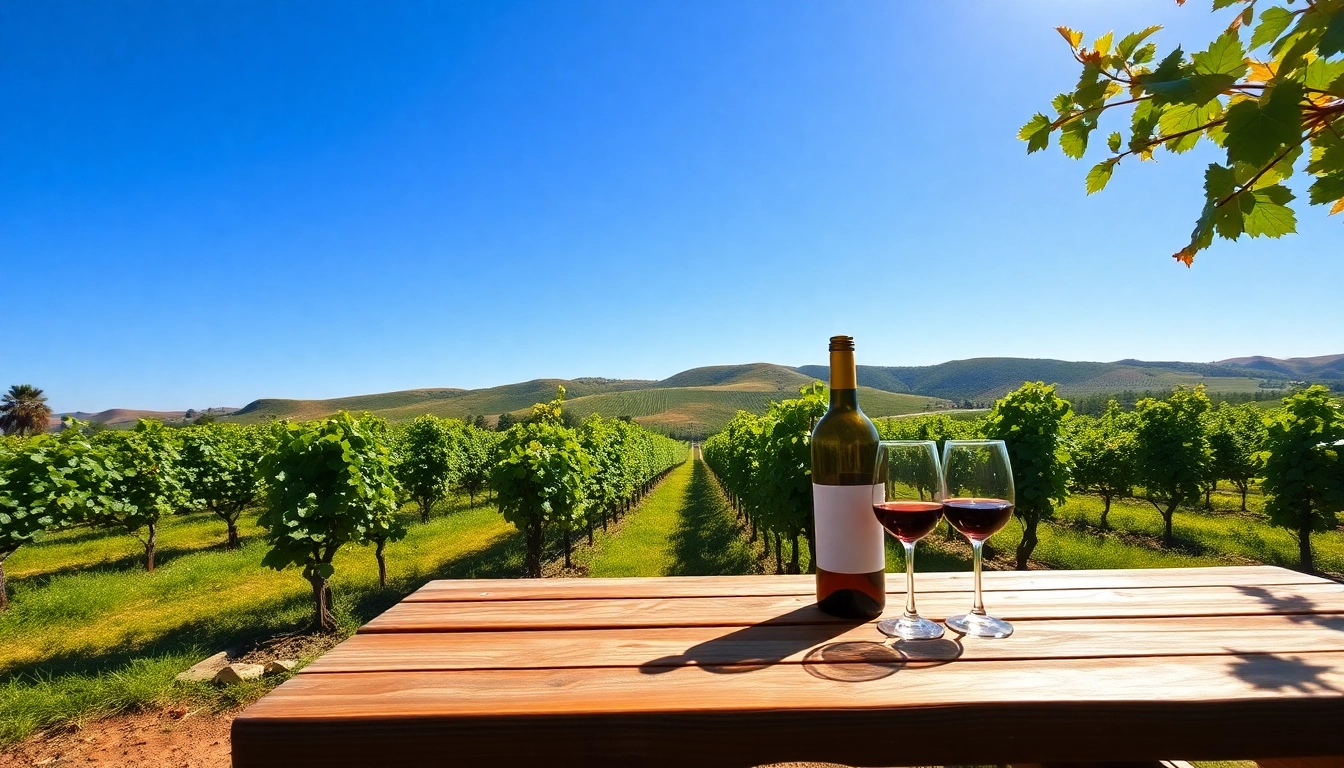
Tasting wine is an art that engages all the senses. Begin by observing the wine’s color—check for clarity and hue. Next, swirl the wine gently in your glass to release its aromas. Take a moment to inhale deeply, identifying the scent notes that arise. Finally, sip the wine, allowing it to coat your palate, and note the flavors and textures. It’s important to consider the finish—the lingering taste after swallowing—determining the wine’s complexity and balance.
Pairing Clarksburg Wines with Local Cuisine
Pairing Clarksburg wines with local cuisine enhances the overall dining experience. For instance, a crisp, refreshing Sauvignon Blanc complements light seafood dishes, while a robust Cabernet Sauvignon pairs beautifully with grilled meats and hearty stews. Experimenting with local ingredients can yield delightful surprises, as Clarksburg’s unique flavors find harmony with the wines produced from its vineyards. Championing regional food and wine simultaneously honors the heritage of Clarksburg.
Recommendations for New Drinkers
For those new to Clarksburg wines, consider starting with lighter varietals like Chardonnay or Sauvignon Blanc, as they offer fruit-forward flavors that are generally approachable. Visiting local wineries for tastings can provide invaluable insight, along with the opportunity to ask questions of knowledgeable staff. It’s encouraged to explore different varieties through guided tastings to better understand your personal preferences and develop a deeper appreciation for Clarksburg’s unique offerings.
The Winemaking Process in Clarksburg
Understanding Fermentation Techniques
Fermentation is pivotal in the winemaking process, converting grape sugars into alcohol. In Clarksburg, winemakers employ both native and cultured yeasts to initiate fermentation, each imparting distinct characteristics to the wine. Temperature control during fermentation is crucial; cooler temperatures preserve fresh fruit flavors, while warmer fermentations can enhance complexity and mouthfeel. The choice of fermentation vessel—stainless steel or oak—also influences the final product significantly.
Barrel Aging and Its Impact on Flavor
After fermentation, many Clarksburg wines undergo barrel aging, which adds depth and complexity. Oak barrels impart flavor compounds such as vanillin and tannins, enriching the wine’s profile. The age of the barrel plays a significant role: newer barrels provide stronger oak flavor, while older barrels offer subtlety. Winemakers must balance time spent in barrel and bottle to achieve the desired flavor profile without overwhelming the wine’s inherent characteristics.
Innovations in Winemaking
Clarksburg is a hub of innovation within the winemaking community, with many vintners exploring sustainable practices and tech-driven advancements. Techniques such as precision viticulture enable winemakers to monitor vineyard conditions in real-time, ensuring grape health and quality. Additionally, experimental blends and alternative grape varietals are becoming increasingly popular, allowing producers to push the boundaries of traditional winemaking while catering to evolving consumer tastes.
Visiting Clarksburg Wineries
Must-Visit Wineries in Clarksburg
When exploring Clarksburg, there are a number of must-visit wineries, each offering unique experiences. Notable options include family-owned estates that pride themselves on small-batch production, showcasing artisanal craftsmanship. These wineries often provide personalized tastings and opportunities to learn about winemaking firsthand. Exploring the distinct atmospheres and offerings will allow you to fully appreciate the diversity of Clarksburg wines.
Guided Tours and Tastings
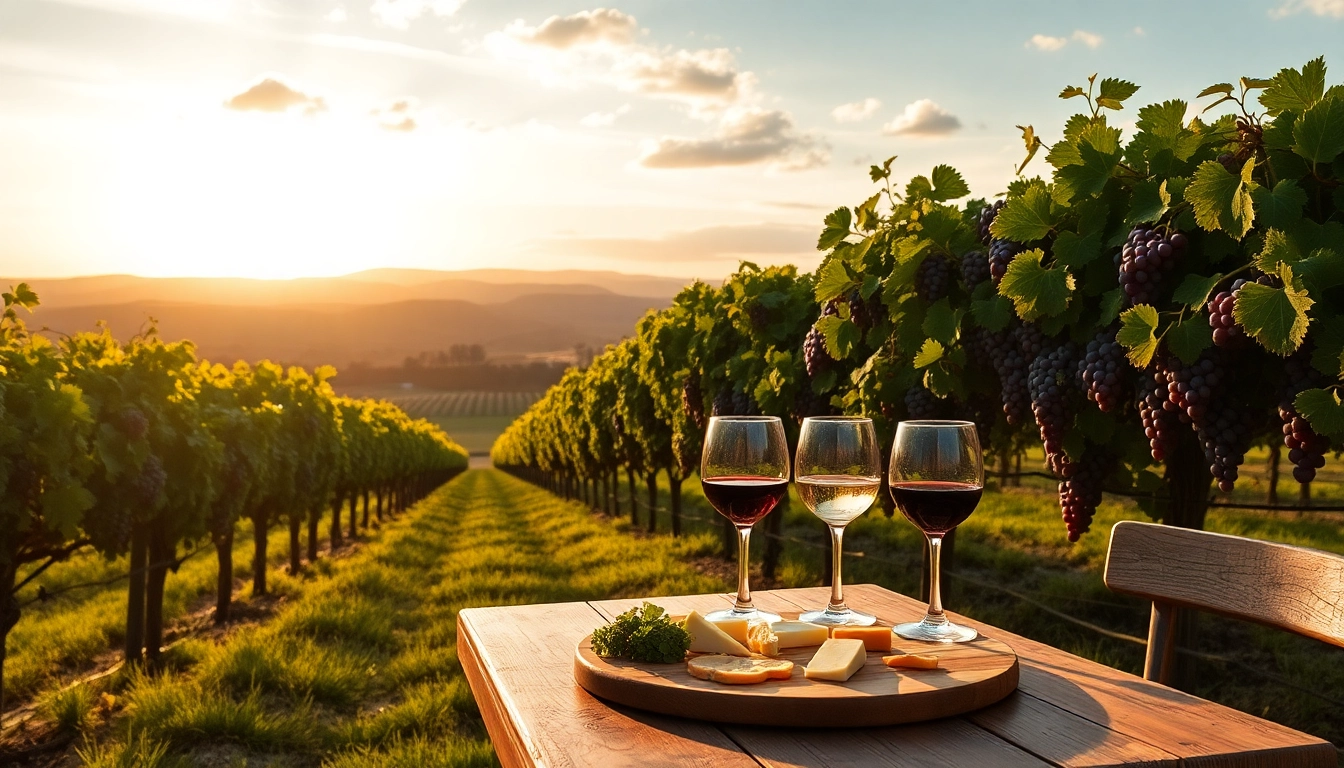
Guided tours and tastings at Clarksburg wineries enhance your understanding of the winemaking process and the specific nuances of the wines. Many wineries offer immersive experiences, guiding guests through the vineyards and explaining the significance of terroir. Tastings often include a selection of wines alongside local cheeses or charcuterie, allowing visitors to explore flavor pairings while learning from the experts. It’s an excellent way to savor the region’s best offerings.
Events and Festivals Celebrating Clarksburg Wines
Throughout the year, Clarksburg hosts a variety of wine events and festivals that celebrate the rich history and community spirit surrounding its winemaking culture. From harvest festivals to wine releases and food pairings, these events expertly blend the joys of wine tasting and local cuisine within a festive atmosphere. Participating in these celebrations not only allows for sampling exquisite Clarksburg wines but also provides opportunities for connecting with fellow wine enthusiasts.
Promoting Sustainability in Clarksburg Wine Production
Practices Benefiting the Environment
Sustainable winemaking practices in Clarksburg focus on preserving the environment while producing exceptional wines. Techniques such as organic farming, cover cropping, and integrated pest management reduce reliance on chemicals, promoting soil health and biodiversity. Additionally, several wineries implement water conservation measures. These environmentally friendly practices help protect the local ecosystem while ensuring that the quality of Clarksburg wines remains high.
Community Involvement in Sustainable Practices
Community involvement is vital to the sustainability initiatives in Clarksburg. Wineries often collaborate with local organizations and engage with residents to foster practices that protect natural resources and promote environmental stewardship. Educational programs on sustainable agriculture and workshops on eco-friendly practices help raise awareness and encourage participation across the region. This collective effort enhances the overall value of Clarksburg wines while fostering a sense of community pride.
Future Trends in Sustainable Winemaking
The future of sustainable winemaking in Clarksburg is promising, with trends toward increased adoption of regenerative farming practices. This approach focuses not only on sustainability but also on enhancing biodiversity, nutrient cycling, and overall ecosystem health. Innovative technology, such as drone monitoring and data analytics, will likely play a larger role in optimizing vineyard management. As consumer preferences shift towards sustainability, Clarksburg wines will continue to evolve, ensuring long-term success and quality.
FAQs
What are the most popular grape varieties in Clarksburg?
Chardonnay and Cabernet Sauvignon are among the most popular grape varieties cultivated in Clarksburg.
How can I pair Clarksburg wines with food?
Clarksburg wines pair wonderfully with local dishes. For example, white wines go well with seafood, while reds complement grilled meats.
Are there any wine tours available in Clarksburg?
Yes, various wineries in Clarksburg offer wine tours and tastings that provide insights into the winemaking process.
What events celebrate Clarksburg wines?
Annual wine festivals and harvest events are held throughout the year, showcasing local wineries and their offerings.
How does terroir affect Clarksburg wines?
Terroir, including climate and soil, significantly influences the flavors and quality of Clarksburg wines, enhancing their uniqueness.