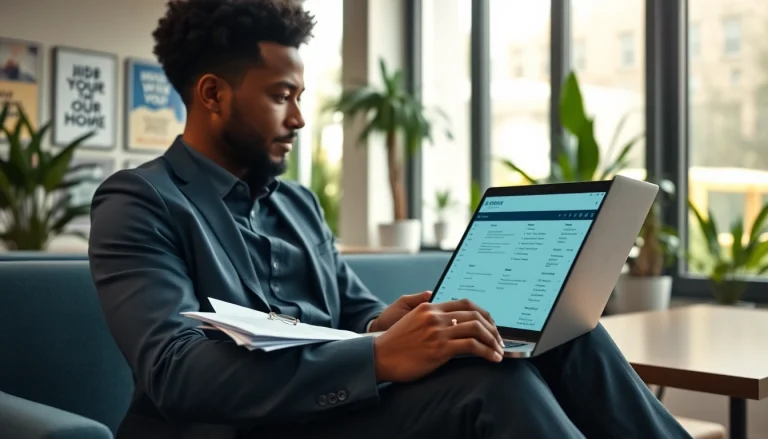
Understanding the Importance of Mock Interviews
In today's competitive job market, excelling in interviews has become more critical than ever. One of the most effective ways to prepare is through mock interviews. These practice sessions provide candidates with a unique opportunity to simulate real interviews, helping to alleviate anxiety, improve responses, and enhance overall performance. This article delves into the various aspects of mock interviews, their benefits, and effective strategies for making the most out of them.
What Are Mock Interviews?
Mock interviews are practice sessions that replicate the interview environment, designed to help candidates familiarize themselves with the interview process. They can involve role-playing as both the candidate and the interviewer, giving participants a chance to experience the questioning style and pressure of real interviews. These sessions can occur with a peer, mentor, coach, or even using digital platforms that offer simulated interviews.
Benefits of Engaging in Mock Interviews
The advantages of participating in mock interviews are manifold:
- Improved Confidence: Practicing interview scenarios can significantly boost a candidate's confidence levels, making them more relaxed and self-assured during real interviews.
- Feedback and Improvement: Mock interviews allow facilitators to provide constructive feedback, helping candidates to understand their strengths and weaknesses.
- Refining Responses: Candidates can practice their responses to common interview questions, ensuring they're articulate and concise.
- Understanding Interview Dynamics: Each mock interview can help candidates learn to read the room, understand non-verbal cues, and improve their interpersonal skills.
- Customization: Mock interviews can be tailored to specific fields or types of interviews, providing specialized practice for technical or behavioral assessments.
Who Should Participate in Mock Interviews?
Mock interviews are beneficial for various groups, including:
- Recent Graduates: As they transition into the workforce, graduates can benefit from practice that prepares them for entry-level positions.
- Career Changers: Individuals making a shift to a new industry can practice addressing potential gaps in experience.
- Experienced Professionals: Even seasoned employees can benefit from refreshing their interview skills or preparing for high-level positions.
- Students: College students preparing for internships or job placements can utilize mock interviews to stand out to potential employers.
Preparing for a Mock Interview
Researching Common Mock Interview Questions
Preparation for mock interviews involves careful research. Familiarizing yourself with common interview questions is crucial, as it allows you to frame your answers effectively. Questions often include:
- Tell me about yourself. — A chance to summarize your experience and qualifications.
- What are your greatest strengths and weaknesses? — This assesses self-awareness and honesty.
- Why do you want to work here? — This demonstrates your knowledge of the company.
Additionally, specific industries may have unique questions. For instance, technical roles might require you to solve a problem or answer scenario-based questions, while behavioral interviews might focus on your past experiences and how they shape your future performance.
Setting Up Your Mock Interview Environment
The environment in which you conduct your mock interview should mirror that of a real interview. Consider the following tips:
- Professional Setting: Choose a quiet, professional space free from distractions, whether in-person or virtual.
- Dress Appropriately: Wear the same attire you would for an actual interview to get used to the feel of professional clothing.
- Use Technology Wisely: If conducting a virtual interview, ensure you have a reliable internet connection and are familiar with the technology being used.
Choosing the Right Mock Interview Partner
Selecting the right person to conduct your mock interview plays a significant role in the process's effectiveness. Here are some factors to consider:
- Relevance: Pick someone who understands the industry or field you’re entering to generate tailored questions.
- Experience: Ideally, select someone with experience in conducting interviews, such as a career coach or experienced colleague.
- Constructive Feedback: Ensure your partner is capable of providing honest, yet constructive feedback after the session.
Conducting the Mock Interview
Best Practices for Mock Interview Sessions
To make the most out of your mock interview, follow these best practices:
- Follow an Actual Interview Format: Start with an introduction, followed by a mix of behavioral and situational questions, and conclude with time for candidate questions.
- Engagement: Stay engaged and treat the mock interview seriously, just as you would with a real interviewer.
- Time Management: Keep to a predefined schedule to simulate the time constraints of a real interview.
Building Confidence During Mock Interviews
Confidence is key to a successful interview. Here are ways to boost your confidence:
- Practice Deep Breathing: Before the interview, take a few moments to breathe deeply to calm your nerves.
- Positive Visualization: Picture yourself succeeding in the interview to alleviate anxiety and build confidence.
- Rehearse Answers: Having practiced responses can help you feel more in control during the actual interview.
Recording and Analyzing Your Mock Interview
Recording your mock interviews can provide valuable insights into areas needing improvement. Review the recording to observe:
- Body Language: Non-verbal cues often speak volumes; ensure your body language is open and confident.
- Speaking Pace: Take note of whether you speak too quickly or slowly and adjust accordingly.
- Response Clarity: Assess the clarity and relevance of your answers, focusing on whether you directly answer the questions asked.
Post-Mock Interview Reflections
Utilizing Feedback for Improvement
Constructive feedback is the cornerstone of improvement. After the mock interview, take the following steps:
- Discuss Feedback Thoroughly: Go through the feedback with your interviewer, focusing on strengths and areas for enhancement.
- Identify Patterns: Look for recurring themes in the feedback that point to specific areas requiring development.
- Set Actionable Goals: Create an action plan to address the feedback you've received, aiming for specific improvements before your next mock interview or actual interview.
Setting Goals for Future Interviews
After a mock interview, it’s crucial to set goals for future improvement. Possible goals include:
- Mastering Specific Questions: If certain questions stumped you, focus on mastering them for future interviews.
- Refining Interview Techniques: Aim to enhance skills such as storytelling or presenting your experience more effectively.
- Increasing Practice Frequency: Plan to conduct regular mock interviews until you feel comfortable with your performance.
How to Stay Motivated After Mock Interviews
Maintaining motivation after mock interviews is essential, especially if feedback is mixed. Consider these strategies:
- Celebrate Small Wins: Acknowledge your progress and improvements, no matter how small.
- Connect with Others: Engage with friends or peers who are also preparing for interviews, as shared goals can boost motivation.
- Keep Practicing: Consistent practice fosters improvement, so schedule regular mock interviews to keep your skills sharp.
Exploring Advanced Mock Interview Techniques
Leveraging AI for Mock Interview Practice
Artificial Intelligence is making waves in interview preparation. AI platforms offer personalized mock interview experiences tailored to your resume and desired role. Various services create customized questions and provide instant feedback on your performance, simulating a real-life interview with precision. Utilizing these tools can enrich your preparation significantly and help identify areas needing attention.
Specialized Mock Interviews for Technical Roles
For candidates in technical fields, specialized mock interviews are invaluable. These types of mock interviews focus on real-world problem-solving skills and often incorporate challenges like coding tests or system design questions. Engaging in these targeted sessions can give candidates an edge in successfully navigating technical interviews, as they become familiar with both the content and the pressure commonly associated with these assessments.
Integrating Behavioral Mock Interviews into Your Prep
Behavioral mock interviews, which explore past experiences to predict future behavior, are critical in the job market. Candidates should prepare for these by structuring their answers using the STAR method (Situation, Task, Action, Result). Engaging in mock interviews that focus on behavioral questioning helps candidates to articulate their experiences effectively, demonstrating their value to potential employers.
Conclusion
The journey to mastering interviews is paved with effective preparation strategies, with mock interviews standing out as one of the most beneficial tools available. By understanding the importance of mock interviews, preparing thoroughly, conducting them effectively, and reflecting on performance, candidates can significantly enhance their chances of success in the competitive job market. Embrace these practices, and you'll be well on your way to acing your next job interview!