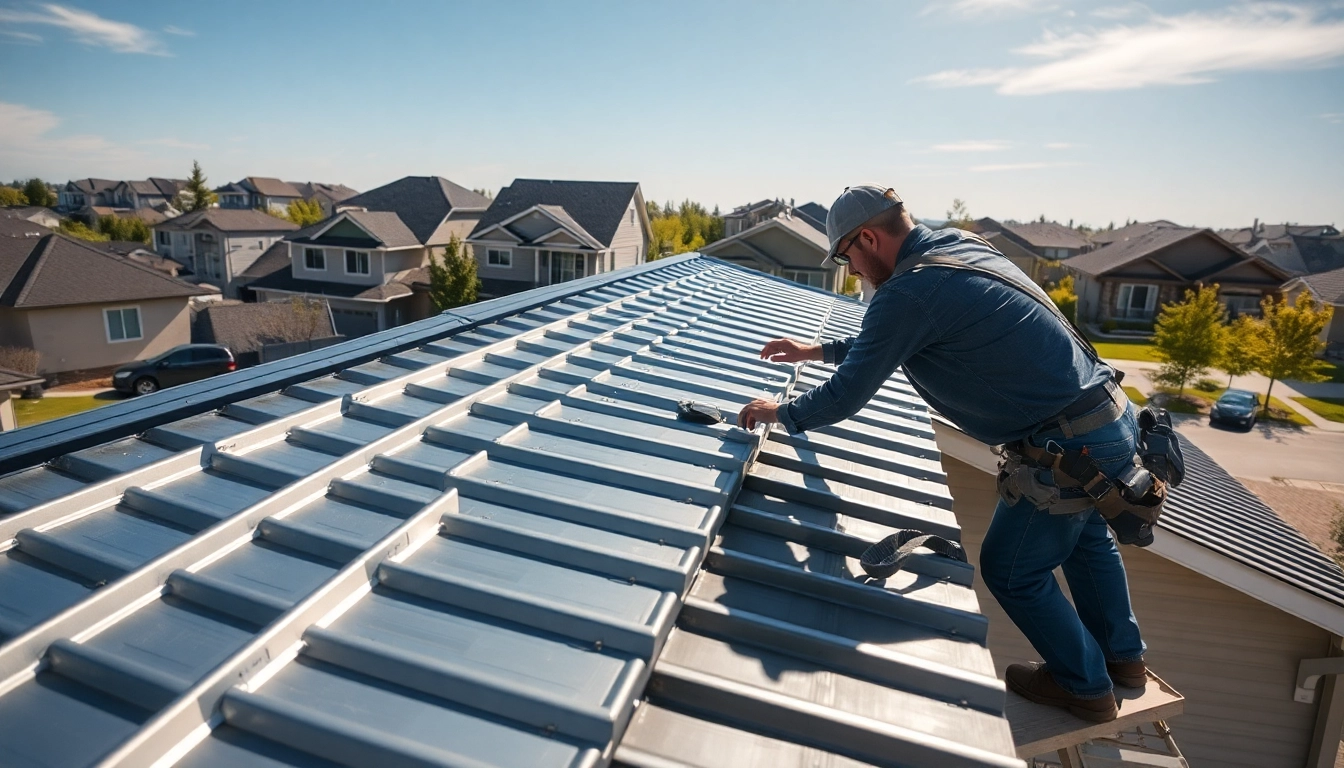

Understanding Carolinas Construction Market Dynamics
The construction industry in the Carolinas is experiencing a remarkable transformation, driven by evolving market dynamics and innovative practices. Carolinas construction has become a beacon of growth, showcasing a blend of traditional techniques and cutting-edge technologies. This article explores the key trends, challenges, and regional influences that shape the construction landscape in the Carolinas, providing a comprehensive understanding for stakeholders and professionals in the field.
Key Trends Shaping the Industry
In recent years, several trends have gained momentum within the Carolinas construction sector.
- Sustainability Mantra: With an increasing focus on environmental impact, builders are adopting sustainable practices. This includes using eco-friendly materials, implementing energy-efficient designs, and emphasizing waste reduction.
- Embracing Technology: The integration of technology into construction processes has streamlined operations. Tools such as Building Information Modeling (BIM), drones for surveying, and augmented reality for project visualization have transformed project execution.
- Affordable Housing Initiatives: As urban populations rise, there is a growing demand for affordable housing solutions. Developers are specifically targeting this need through innovative design and financing methods.
Unique Challenges Faced by Builders
Despite the advancements, the Carolinas construction industry faces distinct challenges:
- Labor Shortages: A significant lack of skilled labor impacts project timelines and quality. Training programs and partnerships with educational institutions are necessary to bridge this gap.
- Regulatory Hurdles: Navigating the complex landscape of zoning laws and building codes can delay projects and increase costs. Staying informed on the regulatory environment is crucial for timely project execution.
- Supply Chain Disruptions: Global supply chain issues can lead to material shortages and price fluctuations. Building strong relationships with suppliers can mitigate these disruptions.
Regional Influences on Project Development
The Carolinas’ diverse geography and cultural influences play a significant role in construction. Coastal areas require different materials and approaches compared to mountainous regions. Furthermore, local cultural preferences can dictate design and functionality. Understanding these regional nuances is vital for project success.
Planning the Perfect Construction Project
Effective planning is the cornerstone of successful construction projects. The following steps outline essential strategies for effective project initiation and execution.
Essential Steps for Project Initiation
Launching a construction project involves a series of critical steps:
- Define Goals: Clearly articulate project objectives, including timeline, budget, and necessary resources.
- Conduct Site Assessments: Evaluate the physical site for feasibility. This includes geological surveys and environmental assessments.
- Engage Reliable Contractors: Carefully select contractors based on experience, reputation, and alignment with project values.
- Obtain Necessary Permits: Navigate local and state regulations to secure the required permits to avoid legal issues.
Risk Assessment in Carolinas Construction
A proactive risk assessment is crucial for minimizing potential setbacks:
- Identify Risks: Assess potential risks related to site conditions, contractor performance, weather events, and financial constraints.
- Analyze Risks: Determine the likelihood and potential impact of each risk. Prioritize them for attention and management.
- Mitigate Risks: Develop strategies to minimize identified risks, such as contingency planning and insurance coverage.
Project Sustainability Practices
To ensure longevity and eco-friendliness, construction projects in the Carolinas should incorporate sustainable practices:
- Green Certifications: Aim for certifications like LEED (Leadership in Energy and Environmental Design) to demonstrate commitment to sustainability.
- Energy Efficiency: Invest in energy-efficient technologies, systems, and materials, reducing long-term operational costs.
- Water Management: Implement effective water management systems to promote conservation during and after construction.
Technology in Carolinas Construction
The integration of technology revolutionizes traditional practices in Carolinas construction.
Innovative Tools for Builders
Several innovative tools are now widely utilized:
- BIM Technology: Enhances visualization and planning capabilities, allowing for better project coordination and communication among stakeholders.
- Drones: Facilitate surveying and inspections, providing real-time data and reducing on-site labor requirements.
- 3D Printing: Allows for rapid prototyping and construction of unique components and entire structures, reducing costs and waste.
Benefits of Construction Management Software
Construction management software offers numerous advantages:
- Improved Project Management: Centralizes information, allowing for better tracking of timelines, budgets, and resources.
- Enhanced Collaboration: Facilitates communication among team members, ensuring everyone is on the same page regarding project progress.
- Data-Driven Decisions: Provides valuable insights through analytics, helping managers make informed decisions and adjust strategies when necessary.
Future Tech Trends in the Industry
As technology advances, several trends are anticipated to shape the future of construction in the Carolinas:
- Smart Buildings: The incorporation of IoT (Internet of Things) technologies to enhance building efficiency and automation.
- AI in Construction: Utilizing artificial intelligence for project management, risk assessment, and predictive analytics.
- Augmented Reality: Enhancing project visualization through overlays that allow stakeholders to view construction progress and design features.
Regulatory Landscape for Carolinas Construction
Navigating the regulatory environment is critical for conducting construction projects legally and efficiently.
Essential Building Codes to Know
Before breaking ground, builders must understand local building codes:
- International Building Code (IBC): Provides guidelines for design, construction, and occupancy of buildings.
- Local Amendments: Each municipality might have specific amendments to the IBC that must be adhered to.
- ADA Compliance: Ensures buildings are accessible to individuals with disabilities.
Navigating Permitting Processes
Obtaining the necessary permits can be daunting:
- Research Requirements: Each state and local municipality has its unique permitting guidelines.
- Prepare Documentation: Gather all necessary documentation and applications to streamline the process.
- Follow Up: Regularly follow up with local authorities to ensure timely processing of permits.
Safety Regulations and Compliance
Ensuring worker safety on construction sites is non-negotiable:
- OSHA Standards: Familiarize yourself with Occupational Safety and Health Administration (OSHA) regulations to create a safe work environment.
- Safety Training: Implement regular safety training sessions for all personnel.
- Insurance Coverage: Ensure adequate insurance to manage risks associated with workplace accidents.
Success Metrics in Carolinas Construction
Measuring success in construction is multi-faceted, taking into account various performance indicators.
Evaluating Project Performance
Key metrics to evaluate project performance include:
- On-Time Delivery: Assess whether projects meet deadlines and if delays are being managed effectively.
- Budget Adherence: Analyze how closely projects adhere to their initial budgets.
- Quality Control: Monitor the quality of workmanship against industry standards and project specifications.
Customer Satisfaction in Construction
Satisfied clients contribute to repeat business and referrals:
- Feedback Mechanisms: Implement strategies for obtaining feedback throughout the project lifecycle.
- Responsiveness: Prioritize prompt responses to client concerns to foster stronger relationships.
- Quality Assurance: Maintain high quality in construction work to meet or exceed client expectations.
Benchmarking Against Competitors
Staying competitive requires market awareness:
- Market Research: Continuously analyze competitor strategies and market trends to identify opportunities for improvement.
- Performance Metrics: Use key performance indicators to compare progress against competitors.
- Networking: Engage with industry associations and groups to foster relationships that can provide insights into competitor performance.
Frequently Asked Questions
What are the current trends in Carolinas construction?
The Carolinas construction market is witnessing a rise in sustainable practices, increased use of technology, and a focus on affordable housing solutions.
How do I start a construction project?
Starting a construction project involves defining your goals, conducting site assessments, engaging contractors, and obtaining required permits.
What role does technology play in construction?
Technology enhances efficiency in construction through tools like project management software, drones for site surveys, and 3D modeling for design.
What building codes should I be aware of?
Familiarity with local building codes, zoning laws, and safety regulations is crucial before commencing any construction project.
How can I improve customer satisfaction in construction?
Improving customer satisfaction involves clear communication, setting realistic timelines, quality workmanship, and responding promptly to issues.