Introduction to the Fire Tetrahedron
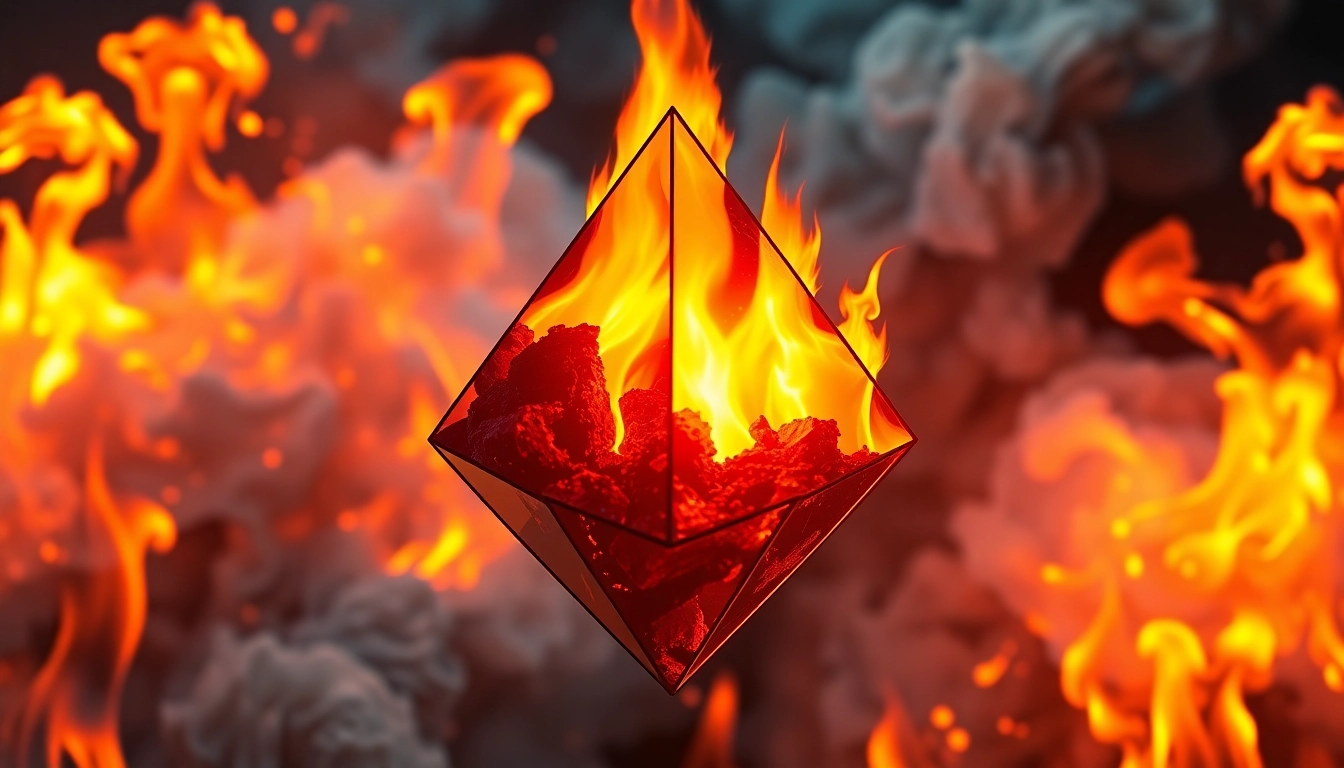
Understanding the fire tetrahedron is essential for anyone involved in fire safety, prevention, and management. This four-sided diagram highlights the fundamental elements necessary for combustion and plays a crucial role in both fire science and safety protocols. By grasping the intricacies of the fire tetrahedron, professionals and laypeople alike can better understand fire behavior and how to combat it effectively.
What is the Fire Tetrahedron?
The fire tetrahedron is a model used to illustrate the four essential elements required for combustion: heat, fuel, oxygen, and a chemical chain reaction. This model expands on the traditional fire triangle, which consists of only three components—fuel, heat, and oxygen—by adding the fourth element that represents the persistent chemical reactions occurring during the burning process. This model is fundamental to fire safety education, helping individuals to understand how fires start, sustain, and can ultimately be extinguished.
The Significance of Each Element
Each component of the fire tetrahedron holds significance in fire dynamics:
- Heat: To ignite a fire, a certain amount of heat is needed. This can be provided by various means, including open flames, sparks, or electrical appliances.
- Fuel: The fuel provides the necessary material for combustion. This can range from solids like wood and paper to liquids like gasoline and gases like propane.
- Oxygen: Fire requires a sufficient amount of oxygen to sustain combustion. In most scenarios, oxygen from the surrounding air (approximately 21% by volume) is adequate for this purpose.
- Chemical Chain Reaction: This represents the ongoing processes in a fire that sustain the combustion once it has begun. Disrupting this reaction can effectively extinguish the fire.
Historical Context and Developments
The understanding of combustion processes has evolved significantly over time. Early fire theories focused primarily on elemental composition and chemical reactions, but as studies progressed, the model of the fire tetrahedron emerged. This evolution illustrates the growing comprehension of fire safety—culminating in modern firefighting strategies that rely on sophisticated techniques to interrupt the chemical processes behind combustion.
Components of the Fire Tetrahedron
Heat: The Catalyst of Combustion
Heat is a crucial element in the fire tetrahedron, as it acts as the ignition source that activates the combustion process. The source of heat can originate from numerous sources, including:
- Open flames
- Electrical sparks
- Frictional heat (e.g., from machinery)
- Chemical reactions (exothermic reactions that release heat)
Understanding how much heat is necessary for different materials to ignite—referred to as the ignition temperature—can greatly aid in fire prevention strategies. For example, wood requires approximately 300°C for combustion, while gasoline can ignite at temperatures as low as 30°C.
Fuel: The Source of Energy
Fuel is any material that can undergo combustion and is categorized into three primary types:
- Solids: Common solids include paper, rubber, and wood, which can be easily ignited and consume significant amounts of energy during combustion.
- Liquids: Fuels like gasoline, alcohols, and oils have varying flash points and heat values, making them diverse in their combustion characteristics.
- Gases: Natural gas, propane, and hydrogen provide efficient sources of energy due to their high calorific values and are often used in industrial processes.
The choice of fuel directly impacts the heat output and duration of combustion—key factors in evaluating fire risks and designing prevention strategies.
Oxygen: The Breath of Fire
Oxygen is essential for sustaining fire; it supports the oxidation processes at the molecular level. Normally, the ambient air provides sufficient oxygen (around 21% oxygen content), but some situations might require additional sources of oxygen, especially in confined spaces. Furthermore, fire-fighting methods often involve displacing oxygen to extinguish fires, whether through solid agents like foam or physically restricting airflow.
The Role of the Fire Tetrahedron in Fire Safety
How to Apply the Fire Tetrahedron in Safety Protocols
The fire tetrahedron serves as a valuable tool in developing fire safety protocols across various environments. Here are critical steps to ensure effective application:
- Assess Heat Sources: Inventory all potential heat sources within an area, including machinery, electrical installations, and flammable substances.
- Evaluate Fuel Availability: Identify types of fuel within and around the facility, considering both solid and volatile substances.
- Monitor Oxygen Levels: Ensure optimal ventilation to maintain safe levels of oxygen within enclosed spaces, helping to mitigate combustion risks.
- Interrupt Chemical Reactions: Implement fire suppression systems that can effectively disrupt chemical chains, utilizing agents that cut off the necessary components of the tetrahedron.
Common Misconceptions about Fire Behavior
There are several misconceptions surrounding fire behavior that can lead to dangerous situations if not addressed:
- Misconception 1: All fires need oxygen to burn efficiently. While oxygen is a requirement for combustion, some fires may burn in low-oxygen environments due to the presence of concentrated fuels.
- Misconception 2: Once a fire is extinguished, it is safe to return immediately. Heat sources can remain dangerously high post-extinguishment; hot spots may re-ignite if not properly monitored.
- Misconception 3: Only the flame is dangerous. In reality, heat, toxic gases, and unburned fuel can all contribute to fire hazards.
Case Studies: Fire Incident Analyses
Numerous case studies can illustrate the fire tetrahedron’s relevance in real-life incidents:
- The Great Chicago Fire (1871): This catastrophic event highlights the interplay between heat sources (the likely cause was a lantern), abundant fuel (wooden structures), and sufficient oxygen in a dry environment, creating a fire that wreaked havoc on the city.
- Grenfell Tower Fire (2017): An investigation revealed how the cladding and insulation on the building acted as fuel and how the incendiary heat spread rapidly, demonstrating the importance of understanding the elements of the fire tetrahedron for building safety.
Applications of the Fire Tetrahedron in Various Industries
Fire Prevention Strategies in Manufacturing
In the manufacturing sector, understanding the fire tetrahedron can lead to more effective fire prevention strategies:
- Regular Equipment Maintenance: Routine checks on machines can mitigate the risk of friction-related heat generation.
- Controlled Fuel Storage: Properly managing and storing hazardous materials can prevent accidental ignition from heat sources.
- Enhancing Ventilation: Adequate ventilation can limit the potential oxygen supply to fires, thereby reducing the likelihood of combustion.
Role in Firefighting Techniques
The fire tetrahedron informs various firefighting techniques, emphasizing strategies that focus on interrupting fire dynamics. Techniques include:
- Cooling: Reducing heat (i.e., using water) is often the first step, dramatically lowering the temperature of the burning material.
- Smothering: Depriving the fire of oxygen—using foam or fire blankets—can effectively inhibit combustion.
- Breaking the Chain Reaction: Chemical fire suppression agents like dry powders interrupt the necessary reactions in a fire, effectively neutralizing flames.
Utility in Fire Safety Education
The fire tetrahedron is a pivotal element in the educational programs designed to inform the public and specific industries about fire safety. Instructional courses often emphasize the four components, clarifying how they interact and how individuals can leverage this knowledge to reduce fire-related risks. Initiatives may include:
- Workshops highlighting safety practices.
- Simulations for fire extinguishing techniques.
- Demonstrations of proper preventive measures against common ignition sources.
Future Directions in Fire Science Research
Emerging Technologies and Innovations
As technology evolves, innovative tools and methods to understand and control fire behavior continue to emerge. For instance, advanced fire simulation software can model combustion processes, allowing researchers to test various scenarios without real-world risks. Furthermore, drone technology is enabling faster assessments of wildfires and hazardous materials incidents, providing critical data on heat and fuel sources.
Interdisciplinary Approaches to Understanding Fire
The study of fire is increasingly interdisciplinary, merging traditional fire science with fields such as engineering, environmental science, and materials chemistry. This collaborative approach fosters innovation, creating new fire-resistant materials and understanding the ecological effects of fire in various environments, leading to more informed prevention strategies.
The Impact of Climate Change on Fire Behavior
Climate change significantly affects fire behavior, often leading to increased frequency and intensity of wildfires. Research in this area aims to understand how shifting weather patterns alter the availability of the elements in the fire tetrahedron, specifically how increased temperatures can heighten the likelihood of ignition. Efforts are focused on adapting fire management strategies to account for these changes, ensuring communities can better prepare for potential fire outbreaks.