
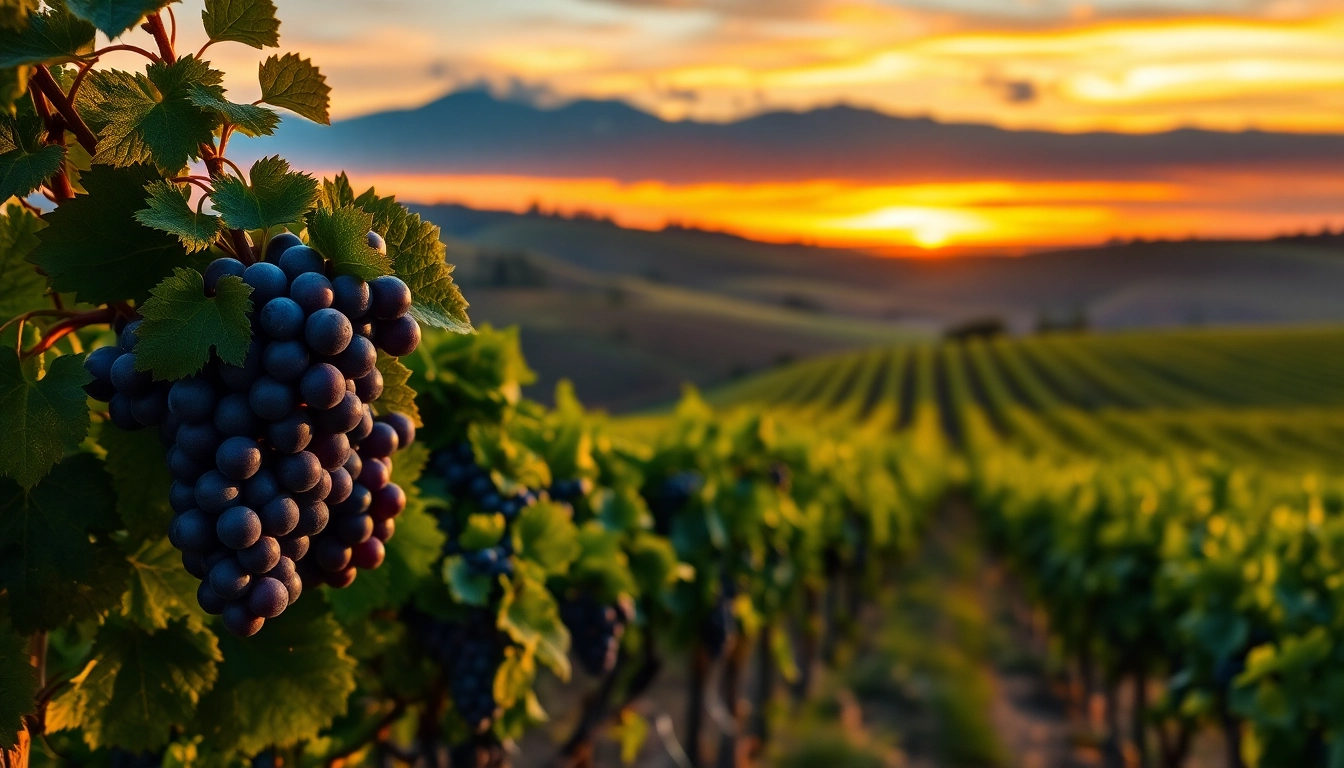
An Introduction to Northern California Wine Country
Northern California wine country is a treasure trove of flavors, landscapes, and winemaking traditions that captivate wine enthusiasts from around the globe. With rolling vineyards, innovative wineries, and a climate perfect for grape cultivation, this region defines the very essence of American viticulture. Particularly renowned for its lush valleys and diverse terroirs, northern california wine country offers an extraordinary experience that transcends the simple act of drinking wine—it’s about savoring the rich history and culture behind each bottle.
The Origins of Northern California’s Winemaking Tradition
The story of northern California’s winemaking tradition dates back to the early 18th century, when Spanish missionaries introduced grapes to the area. Originally cultivated for sacramental wine, the first commercial vineyards emerged in the mid-19th century with the arrival of European immigrants, who brought their winemaking expertise to the New World. Important figures such as Agoston Haraszthy, known as the “Father of California Viticulture,” played a pivotal role in establishing the foundation for a thriving wine industry.
Key Regions and Terroirs
The vast and diverse geography of northern California wine country is home to several notable regions, each with distinct terroirs that contribute to the unique characteristics of the wines produced. Notable areas include:
- Napa Valley: A world-famous destination for luxury wines, Napa boasts a Mediterranean climate and fertile soils, ideal for Cabernet Sauvignon and Chardonnay.
- Sonoma County: Known for its diversity, Sonoma produces exquisite Pinot Noir, Zinfandel, and Merlot, with cooler coastal influences shaping flavor profiles.
- Anderson Valley: Nestled in Mendocino County, this region is recognized for its cool climate, perfect for producing exceptional Pinot Noir and sparkling wines.
- Sierra Foothills: This mountainous area offers a unique climate and elevation, ideal for growing Zinfandel, Barbera, and Syrah, allowing for rich and complex flavors.
Influential Grapes and Their Characteristics
The iconic varietals that thrive in northern California reflect the region’s rich heritage and commitment to quality. Among the most significant grapes are:
- Cabernet Sauvignon: Known for its bold flavors and structure, this grape flourishes in Napa Valley, producing wines rich in dark fruit and tannins.
- Chardonnay: Whether oaked or unoaked, California Chardonnay ranges from crisp and citrusy to rich and buttery, with a versatility that pairs well with various dishes.
- Pinot Noir: This temperamental grape prefers cooler climates, achieving remarkable finesse and complexity in regions like Sonoma and Anderson Valley.
- Zinfandel: Often regarded as California’s signature grape, Zinfandel is celebrated for its jammy fruit flavors and peppery spice, thriving in the warmer regions.
Exploring Different Wine Varieties and Their Profiles
Understanding California’s Signature Varietals
Understanding the unique profiles of California’s signature varietals is essential to appreciating the depth and complexity of the wines produced in the region. Beyond the popular choices, many lesser-known varietals also thrive in the diverse environments of northern California:
- Grenache: Typically light and fruity, Grenache can be enjoyed on its own or blended with other varietals, enhancing complexity and flavor.
- Petite Sirah: Known for its dark color and bold flavors, this varietal often has a robust character, making it an excellent choice for pairing with rich meats.
- Viognier: A fragrant white wine, Viognier is appreciated for its floral notes and stone fruit flavors, frequently found in blends but also captivating as a single varietal.
Food Pairing Suggestions for Northern California Wines
Pairing food with wine is an art that enhances the dining experience. Here are some classic pairing suggestions for the beloved wines from northern California:
- Cabernet Sauvignon: Pair with grilled steak, bold cheeses, or dark chocolate desserts.
- Chardonnay: A great match for buttery lobster, grilled chicken, or creamy pasta dishes.
- Pinot Noir: Perfectly complements duck, salmon, and dishes with earthy mushrooms.
- Zinfandel: Excellent with barbecue, peppered meats, and hearty spaghetti dishes.
Exploring Hidden Gems: Boutique Wineries
While the larger wineries of northern California often steal the spotlight, many boutique wineries offer unique experiences and exceptional wines. These smaller establishments frequently focus on artisan winemaking, employing traditional techniques and offering personalized tours:
- Family-Owned Wineries: Many family-owned wineries prioritize sustainability and quality, often providing intimate tastings.
- Natural Wineries: These wineries embrace organic and biodynamic practices, crafting wines that reflect their distinct terroirs without artificial interventions.
- Artisanal Producers: Look for small-lot producers who specialize in rare varietals or unique blends, showcasing the region’s diversity.
Wine-Tasting Experiences in Northern California
Top Wine Tours to Consider
Wine tours offer unparalleled access to the dazzling world of northern California’s wineries. Many options cater to different preferences, from guided tours to self-driven experiences:
- Private Tours: A personalized experience, featuring exclusive access to select wineries and behind-the-scenes insights.
- Group Tours: Ideal for those looking to socialize, group tours often cover multiple wineries and provide an engaging day of tastings.
- Bike Tours: For an adventurous twist, bike tours allow you to enjoy the scenic beauty of the vineyards while sampling wines at different estates.
Essential Tips for Wine Tasting
Maximizing your wine-tasting experience requires some tips to navigate the nuances of this enjoyable activity:
- Take Notes: Jot down your impressions of different wines, including flavors, aromas, and your overall experience at each winery.
- Stay Hydrated: Drink water between tastings to refine your palate and avoid fatigue.
- Learn the Lingo: Familiarize yourself with common wine terminology to enhance discussions with tasting room staff.
- Ask Questions: Engage with knowledgeable staff to uncover the stories behind the wines.
Family-Friendly Wine Destinations
Northern California wine country isn’t just for adults; many wineries offer family-friendly experiences that ensure everyone has a great time:
- Picnic Areas: Several wineries have beautiful picnic areas where families can enjoy packed lunches amid stunning vineyard views.
- Activities for Kids: Look for wineries that provide outdoor games, playgrounds, or even vineyard tours designed for children.
- Educational Opportunities: Some wineries offer workshops or tours that teach children about grape growing and winemaking.
Seasonal Highlights in Northern California Wine Country
Spring: When Vines Begin to Flower
Spring marks the awakening of the vineyards, as vines bud and flower. Early spring tours showcase vibrant landscapes, with beautiful blossoms adorning the vines. This season is ideal for experiencing the vineyard’s annual rebirth, making it a perfect time for photography and outdoor events.
Summer: The Harvest Season
Summer is the bustling season of vineyard activity. As grapes ripen, many wineries host harvest events and festivals. The lively atmosphere is electric, with opportunities to participate in grape picking and learn about the winemaking process first-hand.
Fall: Festivals and Events in the Wine Country
Fall brings breathtaking colors to the vineyards and numerous wine festivals celebrating the harvest. Events include tastings, vineyard tours, and gourmet food pairings. It’s the time to celebrate the year’s labor, sample the new vintages, and enjoy the beauty of the season.
The Future of Winemaking in Northern California
Innovations and Sustainable Practices
The future of winemaking in northern California points toward sustainability and innovation. Many wineries are adopting eco-friendly practices such as organic farming and water conservation techniques. Cutting-edge technologies in winemaking, such as precision fermentation and data analytics, are also becoming common, helping vintners refine their processes.
The Impact of Climate Change on Viticulture
Climate change poses challenges to the wine industry, affecting grape growing conditions and harvest timing. Winemakers are adapting by experimenting with drought-resistant varietals and adjusting their vineyard practices to mitigate these impacts. Continued research is essential for sustainable viticulture in the face of changing environmental conditions.
Embracing Technology in Wineries
Technological advancements are shaping the future of winemaking, with many producers implementing AI and machine learning to analyze soil health, optimize irrigation, and enhance fermentation processes. This embrace of technology aims to produce higher quality wines while ensuring the longevity of the vineyards.
FAQs
What are the best wines to try in northern California wine country?
Best wines include Cabernet Sauvignon, Chardonnay, and Pinot Noir, each showcasing unique regional characteristics.
When is the best time to visit northern California wine country?
Fall, during the harvest season, is popular for wine tours, festivals, and beautiful vineyard colors.
What should I wear for wine tasting in northern California?
Comfortable, stylish clothing and shoes are ideal, especially if you plan to walk through vineyards.
Are there kid-friendly wineries in northern California wine country?
Yes, several wineries offer family-friendly activities, making it a pleasant outing for all ages.
How do I choose a wine tour in northern California wine country?
Look for tours that include multiple wineries, knowledgeable guides, and unique tasting experiences that suit your preferences.