Introduction to Fly Fishing for Beginners
Embarking on the journey of fly fishing for beginners can be both exciting and overwhelming. Understanding the essentials of this serene sport will help you hone your skills and connect with nature. Fly fishing is more than just catching fish; it’s about enjoying the outdoors, mastering techniques, and becoming a part of a community that appreciates the art of fishing.
What is Fly Fishing?
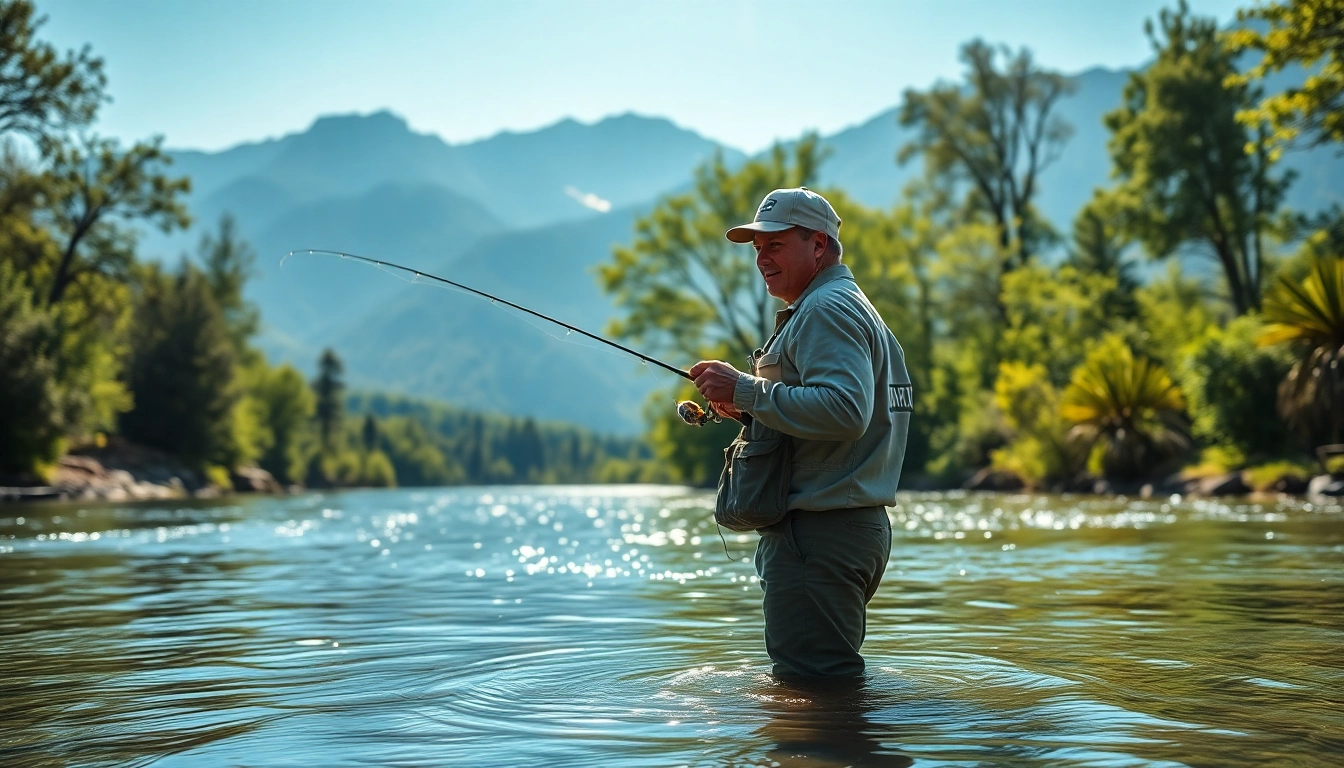
Fly fishing is a method of angling that uses artificial flies to catch fish. Unlike traditional fishing that uses bait, fly fishing employs weighted lines and floating flies that mimic insects on the water’s surface. This technique attracts fish, particularly species like trout, bass, and salmon. The beauty of fly fishing lies in its graceful casting styles and connection to nature.
The Basics of Fly Fishing Gear
Before exploring the water, it’s crucial to familiarize yourself with essential gear. Key items include:
- Fly Rod: Typically longer and more flexible than traditional rods, fly rods vary in weight and action.
- Reel: Designed to manage line, this helps in controlling the catch.
- Fly Line: Heavier than traditional fishing lines, allowing for better casting of the fly.
- Flies: Artificial lures designed to mimic insects or baitfish.
- Leader Line: A transparent line connecting the fly to the fishing line, essential for good presentation.
- Waders: Waterproof pants that allow you to enter the water comfortably.
Choosing quality gear will enhance your fishing experience, so invest wisely based on your local waters and the species you wish to catch.
Understanding Fly Types and Techniques
Flies come in various forms, catering to different fishing environments. They are broadly classified into:
- Dry Flies: Meant to float on the water, imitating insects on the surface, perfect for trout fishing.
- Wet Flies: Sunk below the surface, mimicking aquatic insects, these work well for various fish.
- Nymphs: Representing immature insects, nymphs are effective in fast-moving water.
- Streamers: Imitating larger baitfish, they are great for predatory species.
Mastering the techniques associated with these flies is crucial. Learn to observe your surroundings to match the fly to the insects present to increase your chances of a catch.
Finding the Right Location for Fly Fishing
Choosing the correct water body is vital for a successful fishing trip, particularly for beginners. Let’s dive into the considerations for selecting the best spot.
Choosing the Best Water Bodies
Fly fishing can be practiced in various environments, including:
- Rivers: Flowing waters provide diverse habitats and are rich in insect life.
- Lakes: Still waters often house a variety of fish species, ideal for beginners.
- Streams: Smaller, fast-flowing waters are excellent for learning to read ripples and fish behavior.
Research local fisheries and consult with experienced anglers to find the most productive locations.
Seasonal Considerations for Beginners
Seasonal changes can greatly affect fishing success. Understanding these can help you plan your outings:
- Spring: Insects come to life, and fish become active.
- Summer: Water temperatures rise; fish may seek deeper, cooler waters.
- Fall: Fish prepare for winter, feeding aggressively.
- Winter: Fishing can be challenging; focus on sheltered areas.
By aligning your fishing trips with these seasonal patterns, you can maximize your success.
Local Regulations and Guidelines
Before heading out, always familiarize yourself with local fishing regulations. These rules vary by location and can include:
- Fishing seasons for specific species.
- Catch and release guidelines.
- Licensing requirements.
- Permitted fishing methods and gear.
Adhering to these regulations not only ensures sustainable fishing practices but also contributes to the preservation of aquatic ecosystems.
Basic Techniques Every Beginner Should Master
As a beginner, focusing on fundamental techniques will develop your skills efficiently in the art of fly fishing.
Learning the Cast: Basic Techniques
Your casting technique is the backbone of successful fly fishing. The following techniques are essential:
- Overhead Cast: The traditional casting method, allowing for good distance.
- Roll Cast: Useful in tight spaces, this cast doesn’t require backcast.
- Sidearm Cast: Effective for low cover, using a horizontal motion.
Practice your casting on land or in shallow water to perfect your technique before actual fishing.
How to Read the Water
Reading the water effectively can lead to more fish. Pay attention to:
- Current Patterns: Look for seams where fast and slow water meet.
- Holds: Identify areas where fish might rest, like behind rocks or in eddies.
- Water Depth: Shallow areas may be more fruitful during spawning seasons.
Understanding these elements allows you to place your fly where fish are likely to strike.
Essential Knot Tying Skills
Knot tying is crucial for securing your flies effectively. Some essential knots include:
- Clinching Knot: For attaching flies to your leader line.
- Double Surgeon’s Knot: For tying two lines together or adding tippet.
- Albright Knot: Useful for connecting different line types.
Practice these knots regularly to improve your efficiency on the water.
Common Challenges and Solutions in Fly Fishing
Every beginner faces challenges in fly fishing. Understanding how to overcome these obstacles will help you enjoy a more successful fishing experience.
Overcoming Beginner Frustrations
Frustrations can arise from poor casting, an empty line, or unexpected weather. Address them by:
- Practicing regularly to build muscle memory.
- Seeking feedback from experienced anglers.
- Being patient; fishing requires time and practice.
Remember, every skilled angler started as a beginner, and persistence is key.
Dealing with Weather Conditions
Weather impacts fishing significantly. Here’s how to adapt:
- Overcast Days: Fish are more likely to feed, as they feel safer from predators.
- Sunny Days: Fish will often seek shade near submerged structures.
- Windy Conditions: Wind can affect your cast; use it to your advantage by letting it carry your line.
Always check the weather forecast and dress appropriately to ensure a comfortable day.
Tips for Catching More Fish
Increasing your catch rate involves a few essential strategies:
- Match the hatch: Use flies that resemble local insects.
- Vary your retrieval speed: Experiment with different speeds to see what triggers strikes.
- Stay quiet: Fish are sensitive to noise; a stealthy approach can improve your chances.
Employing these tactics will help you become a more successful angler over time.
Resources for Continued Learning
As with any skill, continued learning is vital for growth in fly fishing. Here are some resources to assist you along the way.
Fly Fishing Communities and Networks
Join local and online fly fishing communities to share experiences, get tips, and remain motivated. A few suggestions include:
- Local fishing clubs: Often host workshops and events.
- Online forums: Various platforms where you can ask questions and get advice.
- Social media groups: Engage with fellow enthusiasts and share your experiences.
Being part of a community will enhance your understanding and appreciation of fly fishing.
Books and Online Resources for Beginners
Numerous books and online resources can provide deeper insights:
- Books: Titles like “The Orvis Fly-Fishing Guide” offer comprehensive information.
- YouTube Channels: Visual demonstrations can help with technique comprehension.
- Websites: Various fishing blogs offer tutorials and expert tips.
Explore these resources to enhance your skills and confidence.
FAQs on Fly Fishing for Beginners
1. What is the best starting fly rod for beginners?
A 9-foot, 5-weight rod is versatile and suitable for most freshwater species.
2. How do I learn to cast properly?
Practice in open areas and consider taking a class with an experienced instructor.
3. Do I need a fishing license?
Yes, a fishing license is required in most regions; check local regulations.
4. What is ‘catch and release’?
This technique involves catching fish and releasing them back into the water unharmed.
5. How can I find fishing spots near me?
Explore online maps, consult local guides, or join community forums for recommendations.