
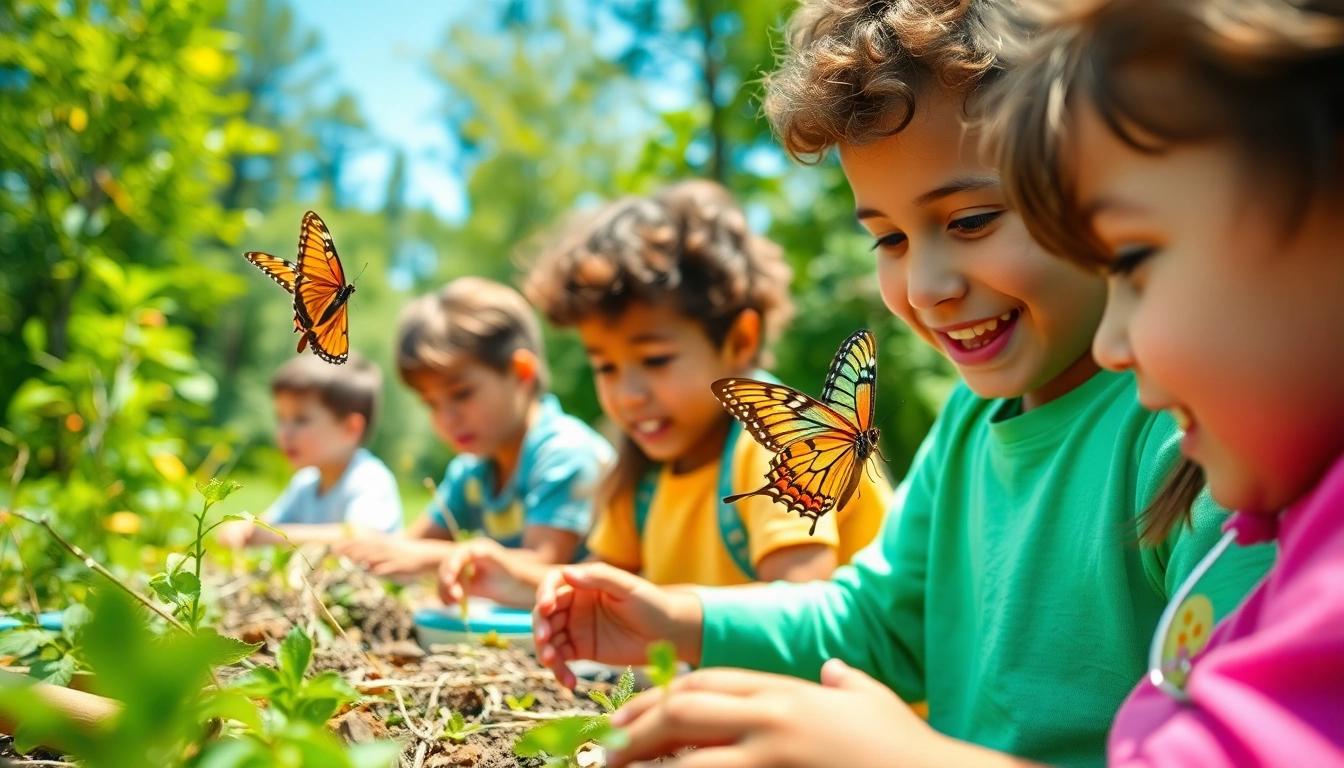
Understanding the Science and Nature Camp Concept
Definition and Importance
The science and nature camp is a specialized program that focuses on immersing children in both scientific exploration and nature appreciation. By providing various hands-on learning experiences, these camps help children understand the world around them. The aim is to foster curiosity and respect for nature through interactive activities, such as environmental education, wildlife observation, and scientific experiments.
These camps stand out by combining outdoor activities with educational content, setting a foundation for lifelong learning. As environmental challenges increase globally, understanding ecological systems becomes essential. Thus, participating in such camps equips children with the knowledge and skills they need to engage in responsible environmental stewardship.
Educational Benefits of Science and Nature Camp
Attending a science and nature camp allows children to expand their scientific knowledge while developing critical thinking and problem-solving skills. Through dynamic lessons about ecology, biology, and the physical sciences, campers become active learners. Young attendees learn how to observe, question, and experiment, which aligns closely with educational standards in science.
Additionally, hands-on experiences enhance retention and understanding. Children engage in experiments that require them to formulate hypotheses, conduct tests, and analyze results. When they witness the outcome of their inquiries, it solidifies their learning experience more profoundly than traditional classroom settings often allow.
Ideal Age Groups for Participation
Science and nature camps cater to various age groups, typically ranging from ages 5 to 15. Programs often tailor their content based on developmental stages. Younger children may focus on foundational concepts, encouraging sensory experiences and simple scientific principles, while older campers might engage in more sophisticated discussions about environmental issues and complex scientific methodologies. This flexibility in age accommodates diverse learning needs, allowing for age-appropriate activities that keep every participant engaged.
Types of Activities in Science and Nature Camp
Field Studies and Nature Exploration
Field studies form a core part of the science and nature camp experience. Children step outside the confines of traditional learning environments to explore local ecosystems, forests, wetlands, or beaches. Guided by knowledgeable instructors, they document their observations, participate in nature walks, and learn to identify native plants and animals. Such exploration instills a sense of wonder and respect for the natural world, while enriching their understanding through experiential learning.
Moreover, campers participate in activities such as birdwatching, stream sampling, or habitat restoration. Each excursion not only provides practical experience but encourages teamwork, observant behavior, and appreciation for biodiversity, laying the groundwork for future scientists and environmentally conscious adults.
Hands-On Science Experiments
Hands-on experiments enable campers to dive into scientific concepts actively. With the guidance of instructors, they conduct experiments related to physics, chemistry, and biology, promoting interest in the scientific process. Whether it’s mixing natural indicators to study pH levels, creating ecosystems using terrariums, or exploring the principles of physics through simple machines, these engaging sessions offer unique learning moments.
Camps often incorporate activities like water quality testing and soil sampling to teach campers about the scientific methods used in field research. By connecting the dots between theory and practice, children foster a deeper understanding of how science operates in real-world situations.
Arts and Crafts with Natural Materials
Integrating arts and crafts into the science and nature camp curriculum allows children to express creativity while engaging with the environment. Campers collect natural materials like leaves, stones, and twigs to create art, thus enhancing their observational skills and fostering a connection with surrounding nature.
Activities such as making bird feeders, nature journals, or sculptures from recycled materials not only foster creativity but also emphasize the importance of sustainability. Campers learn to view natural materials through an artistic lens while developing fine motor skills, imaginative thinking, and an appreciation for eco-friendly art practices.
Choosing the Right Science and Nature Camp
Location and Accessibility
When choosing the right science and nature camp, consider its location and accessibility. Camps situated near natural reserves, parks, or bodies of water provide richer opportunities for outdoor learning. Ensure the camp is reasonably accessible for regular commutes and emergency situations. Furthermore, it’s important to verify how the camp accommodates children with disabilities or special needs, ensuring inclusivity in outdoor learning experiences.
Camp Curriculum and Focus Areas
Different camps may emphasize varied scientific disciplines or environmental focuses, such as marine biology, ecology, or climatology. Review the curriculum and inquire about specific focus areas, ensuring they align with your child’s interests and educational goals. Camps that employ interdisciplinary approaches often provide a more comprehensive learning environment, blending scientific knowledge with conservation practices.
Additionally, investigate if they incorporate guest speakers, field trips, or collaborations with local organizations, which can provide enriching supplemental experiences. A well-rounded curriculum is crucial for captivating campers’ interests and varying learning styles.
Staff Qualifications and Kid-to-Staff Ratio
The effectiveness of a camp often relies on the quality and qualifications of its staff. Look into the credentials of camp leaders and instructors; ideally, they should have backgrounds in education, environmental science, or related fields, as well as experience teaching children. Certifications in outdoor leadership, first aid, and CPR are also a plus, ensuring a safe environment for activities.
Additionally, examine the kid-to-staff ratio. Smaller groups allow for personalized attention and more meaningful engagement, translating to better learning outcomes and a heightened sense of community among campers. Optimal ratios foster safer environments and encourage staff to observe and support each child effectively.
How to Prepare for Science and Nature Camp
What to Pack for Campers
Preparation is key for a successful and enjoyable science and nature camp experience. Make a thorough packing list that includes essentials like water bottles, sunscreen, insect repellent, hats, and appropriate clothing for variable weather. Encourage comfort by suggesting that campers wear durable shoes suited for hiking and outdoor activities. Additional items may include personal items such as a journal for capturing experiences or art supplies for creative projects.
Setting Expectations with Your Child
Before camp starts, discuss expectations with your child to help reduce anxiety and build excitement. Talk about the activities they can expect, the importance of teamwork, and the significance of respecting nature. Empower your child by encouraging questions and allowing them to express their feelings about what they’re looking forward to. This preparation will enhance their experience and increase their willingness to participate fully in all activities.
Health and Safety Considerations
Safety is paramount in outdoor learning environments. Review health and safety protocols provided by the camp, including emergency contact procedures, food allergies, and medical support available on-site. Ensure that your child understands the importance of following safety guidelines while participating in activities, from staying hydrated to respecting wildlife.
Familiarize yourself with the camp’s safety records and protocols, including how they ensure camper supervision and quick responses to potential dangers, reinforcing a secure atmosphere for children.
Frequently Asked Questions About Science and Nature Camp
What age is appropriate for science and nature camp?
Typically, these camps welcome children from ages 5 to 15, addressing various developmental stages to ensure age-appropriate learning and engagement.
What should my child bring to camp?
Essentials include water, sunscreen, a hat, comfortable clothing, and personal items for specific activities, as well as a positive attitude towards learning and exploration.
Are the camps indoors or outdoors?
Most activities are held outdoors to foster a connection with nature, although some components may take place indoors for certain experiments and discussions.
How is safety ensured at science and nature camp?
Camp staff are trained in safety protocols, outdoor skills, and first aid, ensuring a secure environment. Regular evaluations help maintain high safety standards for all campers.
Can parents visit during camp?
Many camps have designated days for family involvement, but daily visits are generally not allowed to ensure campers can focus on their activities without distractions.